Academic Department
AAU-KVK, Chirang
Constituent Department under Directorate of Extension Education
Krishi Vigyan Kendra (KVK) - Chirang is an innovative science based organization at the district level established by the Indian Council of Agricultural Research (ICAR) after recommendation of Mehta Committee (1973) with an objective of technology dissemination to the farmer’s fields without any transmission loss. The KVKs have been charged to take up the responsibilities of technology evaluation and impact assessment, demonstration of field technology on the farmer’s field, organizing training courses for the extension workers to up to date their knowledge level and skill training for the farmers including farm woman as well as rural youth.
Objective of KVK - Chirang
- To demonstrate the improved technology to the farmers as well as to the extension agencies directly in the farmers field with their active participation.
- To identify the area specific problems of the farmers and prioritization of the identified problems as per their importance.
- To collect feed back from the farmers and extension agencies and to provide linkages with the scientists for the modification or refinement of the technology.
- To impart training to farmers, rural youths and extension functionaries for capacity building.
- To provide new and important information on agriculture and allied sectors to the extension agencies or NGOs for wider circulation to improve their economic condition.
Chirang is one of the major districts of Assam situated at the Northern part of Brahmaputra River under lower Brahmaputra valley zone of Assam. The district is situated in North-West side of Assam surrounded by international boundary of Bhutan in North, Bongaigaon district and a little portion of Kokrajhar district in South, Kokrajhar district in West and Baksa district in East. The geographical area of the district is 1923 sq. km. The district is located between 26.580 N longitude and 90.610 E latitudes. Rivers like Champawati, Aie and Manash are flowing through the district from North originating in Bhutan to the South and join the mighty river Brahmaputra. Besides many tributaries small rivulets and streams are flowing in the districts.
How to reach
By Road: Kajalgaon, the head quarter of Chirang district, through which National Highway 31C passes. So, buses are available and easily catchable to go to Guwahati,Cooch Bihar and Bongaigaon. Chapaguri is the main point to catch all the private and public vehicles.
→National Highway No. 27( via Rangya, Chapaguri Chariali)
→Distance from to Guwahati to Kajalgaon: 184 KM( approx)
→Distance from to Cooch Bihar to Kajalgaon: 136 KM( approx)
By Train: Two Railaway stations where both local and express trains stop
→Basugaon Railway Station
→Bijni Railway Station
By Air: The International airport LGBI is around 191 km away from the district Head Quater and the nearest one is Rupsi Airport,which is around 102 km away. VIP helicopters land in the BGR field of Chirang.
Facilities Available at KVK, Chirang
- · Advisory services for the farmers and others stakeholder
- · Training to farmers, Rural youth and extension personnel
- · Vocational & skill development training to the Rural youths
- · Supply of quality planting materials like arecanut, Assam lemon, Coconut saplings, vegetable seedlings, fodder etc
- · Supply of seeds like Toria, Niger, Buckwheat
- · Supply of quality piglets and kids of goat
- · Training facilities for Agriculture Input Dealers
- · Rent of training hall
- Information on improved agricultural technologies in the field of agriculture, horticulture and animal husbandry
Seed and planting material available at KVK Chirang
|
Crop |
Variety |
Qty |
|
Toria |
TS-38 |
1.4 q |
|
Buckwheat |
Gossaigaon Local |
2.0 q |
|
Dragon fruit |
Pink flesh |
200 nos |
|
Coconut |
Tall |
400 nos |
|
Arecanut |
Local |
5000 nos |
|
Pineapple sucker |
Kew |
300 nos |
|
Fodder |
Hybrid napier |
30000 nos |
Communication Address
Krishi Vigyan Kendra, Chirang
Assam Agricultural University
Kajalgaon-783385
Distt. Chirang,
State. Assam
India
E-mail: kvk_chirang@aau.ac.in
Department Faculty Members
9 Faculty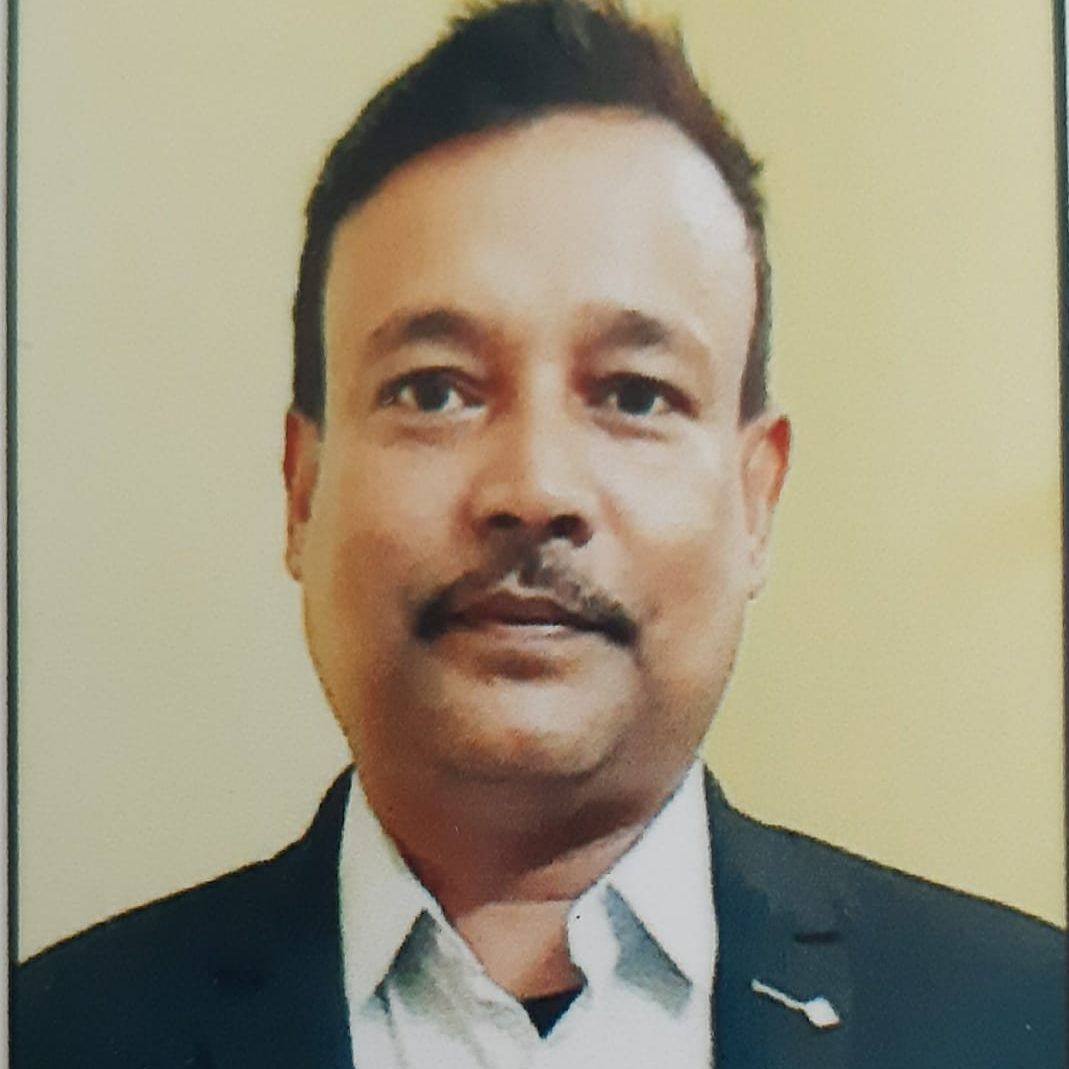
Dr. Chandan Kumar Deka
Head View Profile
Mr. Mridul Kumar Haloi
Programme Assistant View Profile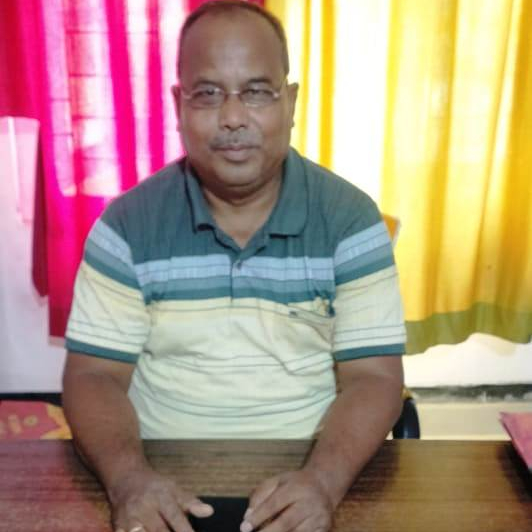
Mr. Ratul Das
Farm Manager View Profile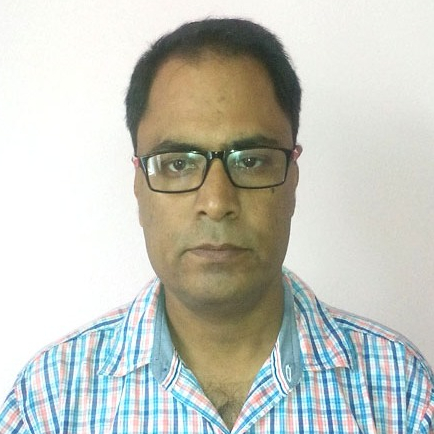
Mr. Sailen Talukdar
Programme Assistant View Profile
Mrs. Juri Talukdar
Subject Matter Specialist View Profile
Mr. Poran Kishore Dutta
Subject Matter Specialist View Profile
Dr. Rajeev Bhandar Kayastha
Subject Matter Specialist View Profile
Mr. Mahesh Kalita
Subject Matter Specialist View Profile
Mrs. Mandakini Bhagawati
Subject Matter Specialist View ProfileDepartment Achievements & Accolades
29 Records1. Introduction of Kharif VKSA:
VKSA programme was carried out by KVK Chirang in coordination with state departments of Agriculture, Horticulture, Fishery and Veterinary from 29th May to 12th June, 2025, with the objectives
1. To create awareness among farmers about improved agricultural technologies
2. To make aware farmers about various government schemes and policies on agricultural development
3. To mobilize the scientific fraternity to have reciprocal learning with farmers and to document grassroots insights for strengthening agricultural research
4. To understand local-level needs and gather farmer feedback on improved technologies
2. Inauguration of the Kharif VKSA in presence of VIP/VVIPs.:
The inauguration programme of kharif VKSA in Chirang district were conducted in two VCDCs namely Subhaijhar & Panbari. In the programme Mr. Jayanta Basumatary, MP of Kokrajhar Lok Sabha Constituency, Mr. Rwngwra Narazary, MP, Rajya Sabha, Mr. Nirmal Kumar Brahma, MLA of 31 No Sidli Constituency, Mr. Saiklong Basumatary, EM, BTR were present in the inaugural programme
3. VIPs attended during the VKSA Programme.
1. Mr. Jayanta Basumatary, MP of Kokrajhar Lok Sabha Constituency
2. Mr. Rwngwra Narazary, MP, Rajya Sabha
3. Mr. Nirmal Kumar Brahma, MLA of 31 No Sidli Constituency
4. Mr. Saiklong Basumatary, EM, BTR
4. Details of selected villages along with participants (Format Placed at Annexure -I)
5. Major activities covered:
a. Input Distribution, if any.
· Oil palm saplings
· Fruit saplings
b. Felicitation of Progressive farmers.
c. Seed exchange Programme.: Nil
d. Farmer Scientist Interaction.: 4 nos of farmers’ scientist interaction were conducted in 4 nos of VCDCs
e. IFS activities: Awareness among the farmers were done on IFS to enhance the farm income in 30 nos of VKSA programme by the scientists.
f. Demonstration on Drone technology.: 4 nos of drone technology demonstration were conducted in 4 nos of VCDCs
6. Researchable issues identified, if any.
· Emerging new diseases both in crops and animals
o Conservation of indigenous crop variety & livestock breeds for development of improved crop variety & livestock breed
o Establishment of community level village institution
o Traditional community mobilization
o Research on speciality products and produce
o Climate change sensitivity, vulnerability and resilience in the fragile hill ecosystem
o Research on development of need based short duration varieties.
7. Farmer’s innovation identified/Farmer’s Feedback, if any.
· Availability and accessibility of timely critical inputs
· Transport and marketing problem (supply chain management)
· Human-animal conflict (Elephants and Wild boars)
· Difficult terrain and Fragmented Land holdings
· Poor access of farmers to Institutional Credit facility
· Climate variability and Natural disaster
· Lack of awareness regarding governmental schemes and modern technologies due to illiteracy
· Many farmers of the district cannot take the benefits of govt schemes due to their habitant in forest land
8. Literature Distributed: Literature on PMFBY, SHC, Central and State Govt. Schemes on Agriculture and Allied sector, FPO, Improved practices of Kharif Crops were distributed among the farmers during the VKSA programme
9. Closing Ceremony of Kharif VKSA Programme.: The closing ceremony of VKSA programme were done in 5 nos of VCDCs
10. Conclusion.: In the VKSA programme a total of 51 VCDCs were covered where 8700 male and 9669 female farmers participated covering 18369 participants from 384 villages.
1. Background Profile:
· Name : Sumitra Mushahary
· Husband’s name : Phakon Daimary
· Address : Khagrabari, Chirang
· Phone No : 9678836071
· Adhaar no : 523791115167
2. Farm Activities of Sumitra:
· Field crops like Paddy, Toria, Blackgram etc.
· Fruit crops like Arecanut, Banana, Assam lemon etc.
· Vegetables like Potato, Tomato, Brinjal, Chilli, Cowpea, Frenchbean, Bottlegourd , Okra, Field pea etc.
· Animal resources including fishery, poultry, goats, cows, duck etc.
· Seed production of Ranjit Sub-1 variety of rice
· Seed production of TS-38 variety of Toria
· Black rice production
· Mushroom production
· Vermicompost production
· Planting material generation of Areacanut, Assam lemon and Vegetable seedling
· Mustard oil extraction, turmeric powder production etc.
· Farm machineries like power tiller, power pum set, solar pump, Grinder machine etc.
3. Activities and approaches:
· At present her cropping pattern includes cultivation of paddy followed by Toria and Field Pea.
· She also grows vegetables like Tomato, Brinjal, Chilli, Okra etc using Plastic mulch and Drip irrigation.
· She sells her produces at local markets herself without having interfere of middle men.
· She produces planting material of Areacanut, Assam lemon, Papaya and high value vegetables like Capsicum, Tomato etc. and sells to other needy farmers.
· She utilizes solar pump set for irrigation in her field.
· Instead of using chemical fertilizer, she prefers to use self-produced vermicompost in her own field.
· Along with using improved varieties she also practices seed treatment followed by treatment with bio fertilizers and resource conservation technologies for getting high returns and reduce cost of cultivation.
· She earns a good income from goat rearing
· She helps other women from her village economically by engaging them in mushroom cylinder preparation and thus earns a profitable income by herself from mushroom.
· By seed production programme she produces seeds of Ranjit Sub-1, TS-38 etc and sells to Department of Agriculture at MSP.
· With the grinder machine she received from District Administration she dries and grinds turmeric and sells in the market.
· She extracts mustard oil from her own farm produce.
· Prepares different types of pickles from locally available fruits and vegetables.
4. Significant Achievements:
| Crop | Area/no | Gross Income (Rs.) | Gross Cost (Rs) | Net Income (Rs) |
| Rice | 18 bigha | 1,84,000.00 | 20000.00 | 164000.00 |
| Toria | 10 bigha | 56,500.00 | 9000.00 | 47500.00 |
| Potato | 1.5 bigha | 25,200 .00 | 5000.00 | 20200.00 |
| Arecanut | 1 bigha | 50,000 .00 | - | - |
| Duck | 26 nos | 9,000 .00 | 3000.00 | 6000.00 |
| Cow (Desi) | 2 nos | 2,000.00 | - | - |
| Poultry (Backyard) | 60 nos | 20,000.00 | 2000.00 | 18000.00 |
| Goatery | 3 nos | 12,000.00 | - | - |
| Vegetables | 2 bigha | 20,000.00 | 4000..00 | 16000.00 |
| Fishery | 1.5 bigha | 20,000.00 | 4000.00 | 16000.00 |
| Other enterprises like mushroom, planting material generation etc. | - | 6,000.00 | 1000.00 | 5000.00 |
| Vermicompost production | 3 q | 9000.00 | 2000.00 | 7000.00 |
| Pickle preparation | 3500 nos of bottles/ year | 2,20,000 | 50000.00 | 170000.00 |
| Mustard oil extraction | 250 L | 50,000.00 | 8000.00 | 42000.00 |
| Total gross income (Rs.) | 683700.00 | 108000.00 | 511700.00 | |
5. Recognition received:
· Mrs. Sumita Mushahary was awarded with Best Farmer award by District administration during 2022.
· She was also felicitated by Women cell central committee of UPPL during International Women Day’ 2023.
· She was felicitated by Chirang District Administration with certificate of appreciation on account of 75th Republic Day celebration
· She was awarded with Bodoland Achiever’s award 2025 on account of 5th celebration of the Bodo Peace Accords 2020.
1. Background Profile:
· Name of the Entrepreneur : Akbar Ali Ahmed
· Marital Status &Gender : Married, Male
· Date and place of birth : 31.07.1983
· Postal address : C/O: Lt. Lt. Mograb Ali
Village: Pachim Deulguri
P O: Mojabari, Block: Sidli,
VCDC: Shyamthaibari
District: Chirang, Pin-783373, Assam
· Mobile : 7002390530
· Educational Qualification : Class X
2. Resources owned or leased in by Farmer:
i. Own Land(ha) : 1.87 ha
ii. Land Leased in (Ha) : 3.0 ha
iii. Irrigated area (ha.) : 3.33ha
iv. Water bodies with irrigation capacity: 0.4 ha water bodies which can irrigate 4 ha of cultivated land.
iv. Animal resources including fish and poultry:
Fish Pond (Fishery) : 0.4 ha
Poultry : 150 Nos
Goat : 3 Nos
Duck : 15 Nos
v. Farm machinery:
Hand Power tiller: 1 No, Hand tools, manually operated Spray machine:12 nos, Power spray: 5 nos, Grinding machine: 1 no, Hoe: 8 nos, Belsa: 5 nos, Honda Spray Machine: 1
3. Information about agriculture and allied activities:
a. Field crops: Rice: 0.4 ha (Var: Ranjit)
b. Horticultural crops: 2.93 ha area under Cultivation of high value crops Viz,
· Dragon fruit: Area: 1 ha Saplings of dragon fruits: 100000 Nos
(Var: Red velvet, Thai pink rose, Syamred, Marrakam Red, Jambu red,
Yellow thai, Vietnam yellow, White flash, LD1 and LD5)
· Apple ber: Area: 1.0 ha Saplings of Apple ber: 2000 Nos
(Var. Kashmiri, Ball Sundari, Miss India)
· Orange: Area: 0.27 ha, Saplings: 1200 Nos
(Var: Darjeeling orange and Chinese orange)
· Water melon: Area: 1.5 ha
· Arecanut: Area: 0.27 ha, Saplings: 5000 Nos
· Assam Lemon: Plants: 50 Nos, Saplings: 10000 nos
· Pine apple: 400 Nos (Var: Kew &Queen)
· Hybrid Papaya: 10 Nos (Var. Red lady, Swapna) Saplings: 6000 Nos
· Malta: Area: 0.4 ha
· Pomegranate: Plants:50 Nos
· Avocado: Plants:4 Nos, Saplings: 6000 Nos
· Mango plants: 12 nos
c. Agro-forestry:
Bamboo plantation:0.2 ha, Gamari tree: 25 Nos, Titasapa tree: 15 Nos, Agaru tree(Saplings) : 7000 Nos, Cocoa: 4000 nos, Arecanut Garden: 0.47 ha
d. Post Harvest Technology: As a post-harvest technology he is involved in Packeting of Dragon fruit, Apple ber, Papaya.
e. Any other
He also involved in Establishment of Horticultural Orchard for other farmers of the area. Till today he has established almost 100 Nos of new farm under his guidance.
4. Innovative technologies/Scientific practices
a. Technologies Adopted : Akbor Ali adopted new agricultural technologies for cultivation of high value crops.
· Mixed and inter cropping of fruit crops
· Adoption of Solar Pump irrigation in his farm
· He established Drip and sprinkler Irrigation in his farm for irrigating the crops.
· Scientific cultivation of Dragon fruits and saplings production
· Scientific cultivation of Assam lemon and its saplings production
· Scientific cultivation of Arecanut and its seedlings production
· Scientific cultivation of Apple ber
· Scientific cultivation of Watermelon (Var: Sugar Baby)
· Scientific cultivation of orange and its saplings production (Var: Darjeeling orange and Chinese orange)
· Cultivation of Pine apple (Var: Kew & Queen)
· Adopted the technology of Green house and poly house at his farm
· Establishment of Horticulture Nursery at his farm
· Scientific cultivation of Banana (Var: Malbhog)
· Scientific management of fish pond
· Production of quality planting materials
ii. Technologies Modified:
He modified many practices in horticultural crops in his farm
· Normal practice of dragon fruit cultivation to High density Planting of Dragon fruit: In Normal practice in 200 cemented post 800 saplings can be accommodated by giving 4 saplings / post. But he modified it where in same no of post he accommodated 2200 saplings thereby increased the production and income by reducing the cost by proper utilization of the land.
· Two layer Cultivation of Dragon fruits: He has made platform at 4feet height and another at 6 feet height. Thereby he has adjusted 3000 saplings in 0.13 ha. Previously he adjusted 2000 saplings in 0.13 ha.
· Intercropping of Dragon fruits with short duration crops:
He cultivates Pine apple, Carrot, Onion, Reddish, Dragons Saplings, Toria etc with dragon fruit and earn extra income from the same piece of land.
· Intercropping of Pomegranate with Arecanut Garden.
He cultivated pomegranate fruits by utilizing the space in between the Areanut plants for earning extra income until the Arecanut plants bearing fruits after 5 yrs.
· Intercropping of Banana in Arecanut Garden:
He cultivated banana utilizing the space in between the Areanut plants for earning extra income until the Arecanut plants bearing fruits after 5 yrs.
· Intercropping of Apple ber in Orange Orchard
He also planted apple ber as intercropping in orange orchard thereby utilized the land resources properly and earned extra income.
· Intercropping of Pumpkin, Water melon etc. in Orange Orchard:
He also practices cultivation of pumpkin and water melon in orange orchard for proper utilization of the resources and extra income
· Growing of Dragons saplings in Arecanut Garden
· Growing of Arecanut saplings in Arecanut Garden.
iii. Technologies Developed:
1. Developed practice of high-density planting of Dragon fruit: In Normal practice in 200 cemented post 800 saplings can be accommodated by giving 4 saplings / post. But he modified it where in same no of post he accommodated 2200 saplings thereby increased the production and income by reducing the cost and by proper utilization of the land. This way he developed techniques of more production of fruits from the plants as well as large scale production of planting materials.
5. Activity-wise income, cost-benefit ratio, gross and net income:
i) Field crops:
| Sl. No | Crops | Gross Income (Rs.) | Gross Cost (Rs) | Net income (Rs) | Cost Benefit Ratio |
| 1 | Rice | 75600.00 | 30000.00 | 45600.00 | 2.52 |
ii) Horticulture crops :
| Sl. No | Crops | Gross Income (Rs.) | Gross Cost (Rs) | Net income (Rs) | Cost Benefit Ratio |
| 1 | Dragon Fruits | 3000000.00 | 14,00000.00 | 16,00000.00 | 2.2 |
| 2 | Apple ber | 750000.00 | 400000.00 | 350000.00 | 2.2 |
| 3 | Water melon | 562500.00 | 262500.00 | 300000.00 | 2.1 |
| 4 | Mosumbi | 675000.00 | 250,000.00 | 425000.00 | 2.7 |
| 5 | Assam Lemon | 375000.00 | 200000.00 | 175000.00 | 1.9 |
| 6 | Planting material Production (per year) | 1200000.00 | 500000.00 | 700000.00 | 2.4 |
Total Annual Income from All sources: Rs. 3595000.00
6. Recognition received at District / State / National Level:
· Received National Level award “Millennium Farmer of India Award, 2024” at New Delhi.
· Received Farmer of the Year(district Level) Award From KVK, Chirang.
· Award received as participants on dragon fruits on 7th Assam International Agri Horti Show during 17-19th December 2022.
· Best farmer in the field of horticulture on 19th foundation day of KVK, Chirang on 22th Sep 2023.
· Felicitation received from Chief Minister as a progressive farmer from Chirang district on the occasion of bihu festival during 2023.
· Felicitation with a book received from Chief Minister as a progressive farmer from Chirang district on the occasion of 2 years of successful journey of Assam govt. (2021-23) during 2023.
· Felicitation received from Chief minister as a progressive farmer from Chirang district on the occasion of 200 years of tea consciousness (1823-2023) during 2023.
· Best farmer award (state level) under agriculture Extension (CSS-ATMA)2023-24 on the occasion of 8th Assam International Agri Horti Show,2023 on 16th December 2023.
· Received Best farmer award and cash money Rs.50000/-from Chirang district under excellent contribution in the field of agriculture and allied sector on the occasion of 8th Assam International Agri horti show 2023 at 16th dec.2023.
· Based on evaluation made by Central institute of Horticulture, Medziphema, Nagaland received 1 star rating as an owner of “Khidmat Agro nursery” 2023.
· Received as a recognition for the achievement in the field of agriculture from Office of the Deputy commissioner, Chirang, Assam during 15th Aug 2021.
· Certificate received as a participation in the Entrepreneurs meet from Regional Fair, AAU, Jorhat on 13th march 2022.
· Certificate of excellence received in the field of agriculture from KVK, Chirang on 25th Feb 2020.
· Certificate received as a progressive farmer in the field of agriculture from Bodoland territory during 2022.
1. Background Profile:
• Name of the entrepreneur : Jwngshat Basumatary
• Address : C/O Poren Basumatary,
Vill- No 1 Balapara,
PO- Tukrajhar, PS- Runikhata,
Dist- Chirang Pin- 783394
• Mobile Number : 9101090216
• Age : 25.07.1974
• Education : HSLC
• Land Holding (In ha) : 2.66
• Annual Turn Over : Rs. 7.87 lakhs
2. His Journey in Goat farming:
In a small village, No 1 Balapara, Mr. Jwngshat Basumatary after passing HSLC, he had to involve himself in farming with his father. The annual income of his family was around Rs. 2 lakhs which did not meet the family expenses. Facing financial hardships, he saw an opportunity in goat rearing due to its low investment and high returns. He decided to go for goat farming as a thriving business. Starting with just a few goats, he focused on breed improvement, scientific housing, scientific feeding and healthcare. By adopting modern practices like slatted housing, stall feeding, artificial insemination and fodder cultivation, he significantly improved his farm productivity.
3. Training & Motivation:
Before starting of his goat farm, he had undergone five days training on scientific goat farming at Krishi Vigyan Kendra, Chirang during 2021. During that training KVK had arranged lectures on scientific housing, feeding, breeding and health care management and one exposure visit to Goat Research station, Barnihat under C.V. Sc. Khanapara. He got all information regarding goat farming and marketing of the goat from this training. Now he rears a herd of 150 crossbred goats of Beetal and Sirohi breed at his individual efforts. He started mixed fodder cultivation practices like Hybrid Napier, Fodder Sorghum, Rina grass, African tall maize for feeding goats and supplying seed and slips to other farmers. He established Mini Concentrate Feed preparation unit and also mineral blocks at farm level to reduce feed cost. To make goat farming more profitable he is drying goat manure and packing in one kilo plastic pouches and selling to township. He is also cultivating his own organic vegetables using goat manure which in turn saved his earnings.
4. Achievements in Goat Farming:
He initially started with 10 female local goats and 5 castrated goats. In the beginning he sold out the castrated male goats for meat purpose. Gradually he started producing crossbred beetal kids using Beetal buck which was provided by KVK under FLD programme. Male goat for breeding purpose is being sold for Rs. 12000/- at 4 month of age and Rs. 10000/- for female from his farm. At present he is maintaining around 80 adult goats & 50 kids in the farm. He is getting an annual income of Rs. 7,87,500 from the sale of 50 plus goats (9 months age) annually at an average weight of 10-12 Kg. KVK also conducted front line demonstration programme on Fodder Cultivation technology at his farm. In Chirang district, there is high demand for goat manure specially in nursery. So, he is packaging dry manure in one Kilo pouches and selling to nursery @ Rs. 15/kg. He earned additionally Rs. 20000/- (approx..) annually from sale of manure. KVK identified his goat farm as a model slatted floor goat rearing unit for KVK’s technical programmes. He got the best progressive goat farmer award at district level during the Regional Livestock & Poultry Show-2023 organized by Animal Husbandry and Veterinary Department, Assam and Assam Livestock & Poultry Corporation. He was also awarded as Best Farmer of the district on the occasion of District Kisan Mela held under Kisan Bhagidari Prathamikata Hamari Campaign of Ministry of Agriculture & Farmers Welfare, Govt of India, organized by KVK Chirang on 26th April, 2022.
His goatery unit plays as inspiration to other farmers of the district. Twelve neighbouring farmers have started scientific goat farming after seeing the profit gained by Mr. Jwngshat Basumatary. More than 120 farmers have visited the farm for updating their skill and knowledge on goat rearing.
1. Background Profile:
• Name : Mr. Thomas Basumatary
• Address : C/O Mr. Jyatish Basumatary
Vill.: Laoripara, PO.: Garubhasa
District: Chirang, Pin: 783373
• DOB : 25/12/1996
• Education : B.A.LL.B (H)
• Own Land (in ha) : 7.33 ha
• Mobile No : 8812894654
• Annual turnover : 8.3 lacs
2. Challenges:
Mr. Thomas Basumatary, a progressive farmer from Laoripara, Chirang district has transformed his farm by adopting an agri-horti-livestock-based Integrated Farming system, significantly improving his family livelihood and farm profitability. Before, 2020, he practiced traditional farming practice which offered limited productivity and income. However, with support from KVK Chirang, Mr. Basumatary began cultivating Paddy, Oilseed like Sesamum, Seedless Assam Lemon, Coffee Plantation, along with rearing of Hybrid Poultry and improved pig breed, creating a sustainable farming model.
3. Solution: Diversified Farming System
He started poultry rearing as income generating enterprise. At the beginning he faced challenges like higher cost involvement for quality day old chick production under local condition as both Incubator cum Hatchery machine and quality day old chicks fetch higher prices. Based on the challenges, initiatives have been taken up with the technological support and advices from KVK Scientists. An indigenously made low-cost hatchery cum incubator was constructed and also one model for layer cage for the production of fertile and table eggs was constructed. Mr. Thomas Basumatary is now producing day old chicks at regular intervals with good hatching percentage generating a net annual income of Rs. 1.7 lacs. Farmers and agri entrepreneurs from nearby village now can collect chicks at reduced price.
He is maintaining a pig farm using three different breeds of pig namely Yorkshire, Duroc and HDK-75 for fattening purpose generating a annual net profit of Rs. 1, 90,000 from the sale of 950 kgs of pork on live weight basis.
His diversified crops include paddy, sesamum, Assam Lemon and areca plantation. He generates annual net income of Rs. 70000 from Paddy and Sesamum. He is having 2ha of Areca plantation intercropped with 400 nos. of seedless Assam Lemon plantation generating annual net income of Rs. 400000.00 leading to a more sustainable farming system.
Mr. Basumatary also maintaining 200 nos. of coffee plants second year running intercropped with areca plantation under the technological and marketing support from Spices Board of India. He is using all modern scientific technological tools in his crop field such as drip and sprinkler irrigation facilities, Solar pump for irrigation, Tractor with cultivators etc.
Bamboo based Eco-friendly Innovation:
Not but the least as an innovative farmer, Mr. Basumatary have developed ergonomic design of use and through bamboo made forceps. As bamboo is eco-friendly, biodegradable, and sustainable, naturally antibacterial and durable making it a great alternative to plastic. He developed his own methods for cutting, shaping and pressure cooker sterilization method of forceps making, though it might need specialized equipment to ensure precision and consistency. He got the consignment from a wildlife based NGO, Aaranyak Research Office, Guwahati for supplying this forceps for collection of specimen organ samples of diseased or dead wildlife for veterinary use of diagnostic purpose.
4. Achievement:
Mr. Thomas Basumatary is a diversified progressive farmer and his dedicated works in the field of agri and allied sectors turned out to be an inspirational force for many rural youths to accept farming as a source of livelihood. Achievement of Mr. Basumatary was recognized by KVK Chirang, AAU by giving Best Farmer Award of Chirang district. He was also felicitated as innovative farmer by Central Veterinary Minister Mr. Giriraj Singh on the occasion for 20th foundation day of ICAR Research for Eastern Region, Patna on 22nd February, 2020. Now he is being invited by many organizations to share his experience in farming. He is also active in Social Media Platform like Face book and You tube based on agriculture and allied activities.
1. Background Profile:
• Name : Ms. Jonali Chakraborty
• Name of Father/Husband : Mr. Gopal Ch. Sarma
• Date of Birth : 01.03.1982
• Address : Vill: Goglapara, Ward No: 4
PO: Basugaon, Pin: 783372,
Dist: Chirang, Assam
• Mobile No : 9706912880
• Education : MA
• Email Id (If Any) : jonalichakraborty5@gmail.com
2. Journey of Mrs Jonali Chakraborty in Vermicompost:
· Mrs Jonali Chakraborty is an woman with an indomitable spirit and a passion for hard work. She came in contact with Krishi Vigyan Kendra (KVK), Chirang through a training programme on vermicompost production technology in 2019. She came to know about vermicompost for the first time in the training programme. After understanding the technology, she was interested in adopting the production of vermicompost as enterprise.
· Under the guidance of KVK Chirang, Mrs Chakraborty initially constructed two vermicompost tanks. She harvested 35 q from the two tanks and earned Rs 70,000. With the profit earned, she constructed 3 more tanks and gradually expanded her enterprise.
· She used to market her product to various nurseries, govt departments in Chirang district. She is also looking prospects of supplying vermicompost to other districts.
· Today she is having 20 nos of vermicompost tanks with a production capacity of 15-20q per tank per year. She sells her vermicompost under the brand name Sanchayita Enterprise.
3. Income from Vermicompost:
| Year | Production | Cost of production | Gross Return (Rs) | Net Return(Rs) |
| 2021 | 35 q | 8000.00 | 70000 .00 | 62000.00 |
| 2022 | 90 q | 20000.00 | 180000 .00 | 16000 .00 |
| 2023 | 150 q | 50000.00 | 300000.00 | 240000.00 |
| 2024 | 300 q | 97000.00 | 600000.00 | 515000.00 |
4. Achievements in Agriculture:
· Certificate of Recognition as Best farmer Award in Organic Farming by Krishi Vigyan Kendra, Chirang on the occasion 19th Foundation Day of KVK on 22nd Sept, 2023.
· Certificate of Achievement for Receiving 1st Prize in Tejaswini Assam Idea thon, 2024 in the field of Green and Sustainable Enterprises containing a cash prize of 1 lakh sponsored by North Eastern Handicraft & Handlooms Development Corporation and Industries and commerce dept. Assam.
· Received Certificate of Appreciation from the office of the District Commissioner, Chirang on 76thRepublic Day, 2025 for her outstanding contribution in the field of Agriculture.
5. Spread of his innovation among fellow farmers:
· Jonali Chakraborty herself proved to become a successful entrepreneur in Vermicompost Production and earning a handsome amount of Income.
· She also able to mobilize women of her villages to form SHG in the name of Sanchayita Enterprise and this group is selling the vermicompost in the brand name of Sanchyita Enterprise.
· Seeing her success especially in Vermicompost Production, almost every day a large number of persons use to visit her vermicompost Unit and collect information.
· Youths not only from Chirang district, but also from nearby areas are now willingly coming for self employment and thus utilizing their skill and power in a positive way. This eventually has taken part in not only economic empowerment but also contributes in social and intellectual development.
· Many Exposure visit team of farmers and students from various places come to see her unit for gaining the knowledge and skill.
1. Background Profile:
· Name of the Entrepreneur : Purna Kanta Boro
· Marital Status : Married
· Date of birth : 22/05/1992
· Postal address : C/O: Balen Boro
Vill: Lowerpara, P.O.: Panbari,
Block: Boro Bazar
Sub Division: Bijni,
District: Chirang , Assam, Pin:783391 (BTR)
· Educational Qualification : Class XII
2. Resources owned by Mr. Boro:
1. Total Owned land=4.27 ha
2. Leased in land for cultivation: 1.07 ha
3. Total area under cultivation: 5.33 ha
4. Total Area of pond: 0.13 ha
5. Irrigating facility: 5.33 ha ( Solar Irrigation, Drip Irrigation, Sprinkler irrigation and STW)
6. Livestock: Pigs: 3 nos Cows:3 nos, Poultry: 60 Nos, Goat: 4 nos
7. Farm machineries: 1. STW: 1 No
2. Sprayers: 6 nos
3. Solar Pump: 1 no
4. Power Sprayers: 2 nos
5. Weeder: 1 No
Water Pump: 2 nos.
3. Information about agriculture and allied activities (area/nos. along with variety/breed)
Area Under different Crops:
Field crops:1.0 ha
Horticultural crops:5.33 ha
Plantation crop :(Arecanut & Gamari tree): 1.33 ha
Agro-forestry/Apiculture /Sericulture: 0.26 ha
Livestock: Cattle: 1unit (3 nos.), Piggery: 1 Unit (3 nos), Poultry: 1 unit (60 nos), Goat: 1 unit (4 nos)
4. Innovative technologies/Scientific practices:
a. Technologies Adopted.
Purna Kt. Boro adopted so many new agricultural technologies in his farm. These are mainly
i. Scientific Banana Cultivation (G9 and Malbhog variety)
ii. Papaya cultivation using plastic mulch
iii. Intercropping of arecanut seedlings in Arecanut Plantation
iv. Intercropping of Turmeric in Arecanut plantation
v. Mixed cropping of Papaya and Arecanut using plastic mulch
vi. Solar Pumpset for irrigation
vii. Cultivation of High yielding varieties of rice like Ranjit Sub-1 and Toria variety TS-38
viii. Scientific Pig farming
ix. Vermin-composting technology
x. Drip Irrigation Technology
xi. Sprinkler Irrigation technology
xii. Oyster Mushroom Cultivation
xiii. Strawberry cultivation
xiv Nursery raising of strawberry, papaya, Bhoot Jalakia and arecanut etc.
xv. Cocoa Plantation in Arecanut Garden: 10 bigha(1.33 ha)
b. Technologies Modified:
I. Innovative approach of Intercropping of Areacanut seedlings in Arecanut Plantation:
Arecanut plantation is an important source of income for the Tribal people of the Chirang district and also has an important place in social taboos of Assamese culture. Mr. Purna Kanta Boro, planted 1.2 ha of Arecanut at his farm. Out of which 0.26 ha are in bearing stage from which he earns 1400000.00 per year by costing 10000.00 per year. He utilized the area in between the Arecanut plant by raising seedlings of Arecanut to get extra income from that plantation. Many farmers generally do not practice intercropping in the arecanut plantation. So, by adopting the intercropping, he earned Rs.300000.00 per year as additional income in addition to income received Arecanut plantation which is about 1.4- 1.5 lakhs per annum.
II. Innovative approach in Intercropping of Papaya in Arecanut Plantation:
Horticulture is an important component of farming for the Tribal people of the Chirang district. Most of the people of this district are basically dependent on Horticulture sector for their livelihood. Mr. Purna Kanta Boro also cultivates many horticultural crops at his farm. Out of which Arecanut plantation is one of the major source of income. Offering Arecanut with betelvine is a traditional practice when some guest comes to their home. Often most of the people take it after having tea, lunch and dinner. Hence arecanut is having high demand among the tribal people of the district as well as in the state. So, he planted Areacanut in 1.2 ha area at his farm. He also utilized the area in between the Arecanut plant by growing papaya using plastic mulch to get extra income from that plantation. Most of the farmers generally do not practice intercropping in the arecanut plantation although each and every family has the arecanut plantation at their homestead area. So, by adopting the intercropping, he earned Rs.30, 000.00 to 35,000.00 per year as additional income from the papaya. His annual income from this arecanut plantation is about 1.5 lakhs
III. Papaya Plantation by using Plastic mulch and drip irrigation:
Mr. Boro is very much interested in Papaya Cultivation which is having high demand in the market. So, he planted papaya in 1.07 ha area with plastic mulching and with drip irrigation facility. He introduced some good varieties of Papaya like Red Lady, Swapna, Cynta and Lunar. So, by selling Papaya he earns about 6.0 lakhs per year by costing about 75000.00 /yr.
IV. Intercropping of Turmeric in Arecanut Plantation:
Mr. Boro also utilized the space between the Arecanut plants by cultivation of spices crop like Turmeric in an area of 0.4 ha. By cultivating turmeric in between the Arecanut plants, he earns about 30000.00 per year with a cost of 6000.00.
V. Scientific Cultivation of improved Banana:
Banana is one of the most important profitable Horticultural crops of Assam and Chirang district land is very much suitable for cultivation of Banana. By considering its demand and profitability, Mr. Boro also started Banana cultivation and at present he is having 1.6 ha area of Banana cultivation. Out of which 1.07 ha area is under Malbhog Banana and 0.53 ha area under G9 variety of Banana. So, by selling Banana, he earns about 7.2 lakhs per year with a costing of 2.16 lakhs.
5. Total Annual Income from All sources: Rs. 2142000.00
6. Recognition received at District / State / National Level:
· Received Certificate of Appreciation from AAU, Jorhat on the Occasion of 76th Independence Day.
· Received Ankurit Assam Krishi Bata, 2024on 21st January, 2024
· Received Certificate of Appreciation from Income Tax Department, NER
· Received Certificate of Appreciation from SDO(Civil) as Best Farmer on the occasion of 72nd Republic Day on 26.1.2021
· Received Certificate of Appreciation from ABSU, on the occasion of National Seminar for his outstanding work in Banana Cultivation
· Received Certificate of Appreciation from BTR GOV. for his outstanding contribution in the field of Agriculture in the Kisan Mela heldon23-24TH Feb, 2024 at Mushalpur, Baksa, on the occasion of National Seminar for his outstanding work in Banana Cultivation
· Received 2nd Best Farmer Award in the 2nd Bodoland Krishok Samaroh, 2021
· Received Certificate of Appreciation from DAO, Chirang as Best Farmer award for his outstanding contribution in the field of agriculture, horticulture and allied sectors on the occasion of 75th Republic Day celebration, 2024 at Chirang.
· Received Certificate of Appreciation from Jain Irrigation as Best Progressive Farmer for Installing micro irrigation system under PMKSY scheme
|
|
7. Spread of his innovation among fellow farmers:
Mr. Purna Kt. Boro has revolutionized Agriculture, Horticulture and allied sectors not only in his locality but also in the whole district. His success has been turned out to be an inspirational force for many rural youths to accept Horticulture as a source of livelihood. He also popularized Intercropping of Pineapple, banana, papaya, Assam lemon etc in Arecanut garden in his locality. Many organizations now take exposure visit to his farm. Achievement of Mr. Boro was recognized by State Dept. of Agriculture, BTR Gov, ABSU, District Administration, AAU by giving Best Farmer Award of Chirang district and Appreciation letter from various organizations of the district and state. Now he is being invited by many organizations to share his experience in farming. He is also active in Social Media Platform like Face book and You tube.
8. Support Received from Govt. Organization:
· Rearing House for Silkwom from Sericulture Department
· Received Mushroom Production Unit one from Bodoland University and one from Agriculture Department.
· Received one Mini Power Tiller (Electronic), one Chaff cutter and one Solar dryer from Agri. Engineering
1. Background Profile:
• Name of Agripreneur : Mr. Hangama Narzary
• Father’s Name : Rabicharan Narzary
• DOB : 31.10.1991
• Address:
C/O Rabicharan Narzary
Vill: Durgapur, P.O: Bentol,
Police Station: Bengtol, Dist- Chirang,
Assam-783394
• Mobile : 6002682790
• Aadhaar No : 887916842546
2. The Journey towards success
Mr. Hangama Narzary, a progressive farmer from Durgapur, Chirang district has transformed his farm activities by adopting an agri-horti-livestock-based Integrated Farming system, significantly improving his family livelihood and farm profitability. Before, 2022, he used to grow only paddy and the land remain untouched during Rabi season which offered limited productivity and income. However, with support from KVK Chirang and District Agricultural office, Mr. Narzary began cultivating high yielding-high-valued Paddy, Oilseed like Toria, Sesamum, Seedless Assam Lemon, Banana, Areca and Sugarcane Plantation, along with rearing of Hybrid Chicken, Duck and improved pig breed, creating a sustainable farming model.
3. Resources Owned by Basumatary:
Total Owned land : 3 ha
Leased in land for cultivation : 3.33 ha
Irrigation facility : 1.33 ha (Irrigation canal, Drip Irrigation, Sprinkler irrigation and STW)
Livestock: Pigs : 10 Nos, Poultry: 240nos
Farm machineries:
i. Tractor with accessories such as harrow, cultivator, trolley
ii. Power Tiller: 1 no
iii. Rotavator: 1 no
iv. Power pump sets: 1no
v. Power Sprayers: 5 nos
vi. Vermicompost tank: 2 Nos
4. Area under Crops
i. Field crops : Total area under field crops is 2 ha. Out of this area, 1.33 ha are under rice followed by maize cultivation and rest 0.67 ha area is under Buck wheat/Sesamum/Toria crop.
ii. Plantation crop (Arecanut, Gamari tree ): 1.5 ha. Out of which Arecanut: 0.66 ha, Gamari Tree: 0.33 ha, Sugarcane: 0.66 ha
iii. Horticultural crops : 2.13 ha area under Horticulture crops. Out of which, Banana: 1.2 ha Ginger: 0.13 ha, Turmeric:0.13 ha Assam Lemon: 0.13 ha, Potato: 0.13 ha Brinjal: 0.13 ha, Kitchen garden : 0.13 ha, Green Chilli: 0.4 ha
v. Dairy/Poultry/Fisheries/Duck/ Piggeries: Crossbred cow : 1unit (2 nos.), Duckery : 1unit (40 nos.) Piggery: 1 Unit (5nos), Poultry: 1 unit( 200nos)
5. Adopted agriculture and allied activities:
· Cultivation of High yielding varieties of rice like Ranjit sub-1, high valued rice variety like Labanya (Purple rice) and their seed production
· Scientific banana cultivation.
· Scientific Sugarcane cultivation
· Scientific Pig farming
· Broiler Duck rearing
· Vermin-composting technology.
· Drip Irrigation Technology
· Home made egg incubator for chicken egg hatching
6. Activity-wise income, gross and net income:
| Sl.No | Crops | Area | Gross Cost (Rs) | Gross Income (Rs.) | Net Income (Rs.) | BC Ratio |
| 1 | Rice | 1.33 ha | 35000.00 | 80000.00 | 40000.00 | 2.28 |
| 2 | Maize | 1.33 ha | 20000.00 | 100000.00 | 80000.00 | 5.00 |
| 3 | Arecanut plantation | 0.66 ha | - | 150000.00 | 150000.00 | - |
| 5 | Vegetable- Green Chilli | 0.4 ha | 4000.00 | 27000.00 | 23000.00 | - |
| 5 | Assam lemon | 0.13 ha | 2000.00 | 5000.00 | 3000.00 | 2.50 |
| 6 | Banana Plantation | 1.2 ha | 200000.00 | 350000.00 | 150000.00 | 1.75 |
| 7 | Potato | 0.13 ha | 40000.00 | 75000.00 | 35000.00 | 1.87 |
| 8 | Sugarcane | 0.66 ha | 50000.00 | 150000.00 | 100000.00 | 3.00 |
| 8 | Chicken/duck meat | 200kg | 8000.00 | 80000.00 | 72000.00 | - |
| 9 | Piglets selling | 40 nos | 80000.00 | 140000.00 | 60000.00 | - |
| 10 | Pork selling | 350kg | 30000.00 | 95000.00 | 65000.00 | - |
Total Net Annual Income from all Sources: Rs. 785000.00
Innovative approaches in diversified activities in the field of agri and allied sectors has potentially increased his net farm income of Rs 7,85,000.00 per annum.
7. Recognition received at District level
Mr. Narzary’s dedicated works in the field of agri and allied field turned out to be an inspirational force for many rural youths to accept farming as a source of livelihood. Achievement of Mr. Narzary was recognized by KVK Chirang and Assam Agricultural University by giving Certificate of Participation during the Regional Agriculture Fair, 2025 held on 4th-6th January, 2025.
`1. Background Profile:
• Name : Mr. Sumanta Narzary
• Father Name : Khiren Narzary
• Address : Vill.: Dangshibari,
PO.: Duttapur.
District: Chirang, Pin 783373
• DOB : 01.07.1976
• Education : B. Sc.
• Enterprise/ Farm Animals : Pig Breeding Farm
• Agriculture Land Holding (in ha): 1.5 ha
• Mobile No : 9954796177
• Annual turnover : 5.0 lacs
2. Background information about farmer field:
Mr. Sumanta Narzary is a young educated progressive pig farmer with the initial 4 numbers of desi pigs with the target of piglet production. His father having of the area with 4ha of agricultural land, 0.4ha of seasonal pond, 0.4ha bamboo plantation, 0.26ha beetle nut plantation besides a small piggery unit of local pigs and small numbers of desi chickens. Whole family depends on the single crop rice and some earnings from sale of piglets, chickens, bamboos, beetle nuts and own produced summer and winter vegetables. The maximum family income never goes beyond Rs. 1,50,000 per annum.
3. Challenges and Institutional Involvement :
Despite his maximum involvement in pig rearing, he could not generate any subsidiary income from the pigs due to mainly problems like high cost of production, small piglet size, low bodyweight gains and mortality. He came in contact with scientists of Krishi Vigyan Kendra, Chirang during a training programme at village Dangshibari. He interacted with the scientists and discussed about his problems. After watching his interest in pig rearing, scientists from KVK visited his area and imparted technical guidance on housing, health management and advised him to go for improved breeds. With the technical guidance from KVK, he started pig rearing scientifically.
KVK, Chirang, provided time to time trainings and conducted demonstration under STC project on scientific pig rearing practices like rearing of crossbred pigs, deworming, vaccination, feed management, supplementation of vitamins and minerals. Critical inputs like Roofing materials for construction of scientific housing, supply of 6 nos (1 male + 5 Females) improved crossbred Hampshire piglets as breeder unit, vaccination against swine fever and circo virus diseases, medicinal support was provided from the project. Timely deworming, vaccination and routine checkup lowered down the mortality and morbidity rate thereby increasing the growth and body weight of the piglets.
4. Success points & his Achievements:
Now, he usually sells the crossbred piglets at the rate of Rs.4000 instead of earlier Rs 2000 from the sale of desi piglets. His regular net monthly income now comes to Rs.40,000, only from the sale of piglets whereas cost of rearing these piglets up to 2 months of age is only Rs. 10,000. Now-a-days he used to cultivate maize immediately after rice harvest as maize is the main constituent of pig feed. From his earning, he brought one feed grinder for own feed formulation. Mr. Sumanta Narzary has become a well-recognized commercial pig grower of the district. Now, he is developing and strengthening linkages with the small and traditional pig farmers of the area for taking up breed improvement and organized marketing. He got the best progressive farmer award at district level on the occasion of Independence Day celebration.
His success has inspired other unemployed educated youth of his village and they also joined the same venture for their sustainability.
1. Background Profile:
• Name : Mr. Mithinga Basumatary
• Address : C/o Mr. Rajib Kr. Basumatary,
Vill.: Kukurmari,
PO.: Dhaligaon. District: Chirang
• DOB : 27/01/1996
• Education : B. Tech
• Enterprise/ Farm Animals : Pig Breeding Farm
• Land Holding (in ha) : 3.0 ha
• Mobile No : 8249740795
• Annual turnover : 3.6 lacs
2. Challenges:
Mr. Mithinga Basumatary, basically a B.Tech graduate having interest on pig farming. After getting three days training on Bokashi system of Pig rearing and management and technical guidance from KVK Chirang, he has now started pig farming using Bokashi farming method (a Japanese technique) of management practices. He introduced the Bokashi system to his pig farming practices, addressing several challenges associated with traditional pig rearing methods. Before adopting this system, he faced issues such as foul odours, excessive noise, fly breeding due to unsanitary condition which contribute to an unhealthy environment.
He adopted the Bokashi pig farming method which involved:
Fermented Feed: He mixed maize, rice bran, wheat bran and probiotics (Effective Microorganism) to formulate nutrient rich fermented feed.
Deep litter bedding system: He used rice husks, sawdust and EM to create a natural bedding that absorbed waste and controlled piggy odour.
Zero Waste Approach: Pig dung decomposed naturally by microbes, turning into organic fertilizer for his crops.
2. Results:
· Reduced Feed costs: Fermented feed improved digestion, reducing overall feed consumption by 20%.
· Odor free Pig shed: There is complete absence of foul smells
· Healthier Pigs: Stronger immune systems led to less disease incidence.
· Higher profits: He saved money on antibiotics and sold organic pork at a higher price.
· Soil enrichment: He used pig bedding as organic fertilizer, improving crop yield.
· Efficient use of water: He used water supply only for drinking purpose there by there was efficient use of water.
3. Expansion:
By seeing success, he is now willing to expand his farm size. Other farmers also got training from him in the district an implement this sustainable and efficient pig rearing method benefiting both the community and the environment.
Farmers have reported benefits such as odour control, improved animal health, and environmental sustainability, efficient use of water, less labour requirement, making it a viable option for those seeking to improve their pig farming operation.
1. Background Profile:
• Name : Benidict Mushahay
• Father’s name : Renta Mushahary
• Address : Maojijhora, Bengtal
• DOB : 08.04.1995
• Phone No : 9101311645
• Adhaar no : 504384257116
• Pin No : 783393
2. Journey in Mushroom Cultivation:
Mr. Benidict Mushahary,27 years olda graduate in management (BBA) who transformed his life through Mushroom farming with the guidance and support of KVK Chirang. Initially, during 2018-19 he started one small mushroom unit using low cost materials but did not attain any sufficient profit due to technological deficits. His journey took a positive turn when he attended a mushroom cultivation training programme organized by KVK in his district Chirang.
3. Turning point
Experts from KVK provided him hands-on training on Scientific mushroom cultivation, guidance on pest and disease management, post-harvest processing and value addition techniques and marketing strategies to sell mushroom profitably. KVK helped him for setting up one mushroom demonstration unit at his farm and also helped him securing financial assistance and subsides under govt. schemes, making it easier to grow his business. He implemented all modern techniques and thereby achieved significant improvement at his yield. Today he produces 3.5 tons of mushroom yearly, earning a steady income of 4.13 lakhs annually generating employment of 2-3 people engaging mushroom cultivation and production of value-added products on daily basis.
4. Income from Mushroom Cultivation during last 5 years
| Year | Total no bed | Total production (kg) | Cost of production(Rs) | Gross return(Rs.) | Net Return (Rs) |
| 2019-20 | 500 | 750 | 25000.00 | 90000.00 | 65000.00 |
| 2020-21 | 800 | 1200 | 40000.00 | 144000.00 | 104000.00 |
| 2021-22 | 1000 | 2000 | 50000.00 | 260000.00 | 210000.00 |
| 2022-23 | 1200 | 2400 | 54000.00 | 312000.00 | 258000.00 |
| 2023-24 | 1700 | 3500 | 76500.00 | 490000.00 | 413500.00 |
5. Social Impact:
Journey from a small grower to a successful agripreneur was not so easy. Mr. Mushahary, now being a successful Mushroom grower has inspired many rural youths and farmers to take up Mushroom cultivation as a profession. Initially he could harvest only 500 kg of fresh mushroom, earning annually only Rs. 65000/-but now he could harvest 60 kg per day basis with annual income of Rs. 413500.00/-.He is now willing to start one vermicompost unit by using spent mushroom cylinders and thereby earning additional income. Now he has also been invited to various trainings as resource person by various organizations.
Observing his success, the other people has begun requesting him for lessons in mushroom farming. Now, Mr. Mushahary has become well known establish role model for mushroom grower in the district.
6. Recognition:
His success story has been recognized by KVK and local Agricultural Department, earning him several awards and media coverage.
· Received Certificate of appreciation for his outstanding contribution in the field of agriculture specially in mushroom production during 2022 on the occasion of 18th foundation day of KVK, Chirang
· Selected as a progressive farmer of Mushroom cultivation from Chirang for “Grand in AID for 47 farmer unit from NEC based project on” “Community training centre on mushroom farming for livelihood and entrepreneurial development in the backward areas of BTR (Assam).
7. Future Plan: Now Mr. Mushahary would like to promote his value-added products through e-platform.
| Problem diagnosed | : Low yield of existing long duration Sali variety of rice |
| Technology details | : Treatments: T1: Variety Prachur with RDF (@ N: P2O5: K2O:: 60:20:40 kg/ha) T2: Variety Shatabdi with RDF(@ N: P2O5: K2O:: 60:20:40 kg/ha T3: Variety Ranjit as per farmers’ practice (check) |
| Source of technology & year of release | : AAU, 2022 |
| Treatment | Plant height (cm) | Effective tiller/hill | Effective tiller/m2 | Yield (q/ha) | B-C ratio | GC (Rs/ha) | GR (Rs/ha) | NR (Rs/ha) |
| T1 ( Prachur) | 111.5 | 9-10 | 198-223 | 54.6 | 2.8 | 45000 | 129347.4 | 89347.4 |
| T2 ( Shatabdi) | 108.3 | 9 | 196 | 53.1 | 2.7 | 45000 | 125793.9 | 85793.9 |
| T3 (Ranjit) | 110.6 | 9 | 194-196 | 52.7 | 2.7 | 45000 | 124846.3 | 85346.3 |
| Problem diagnosed | : Lack of high yielding short duration buckwheat variety |
| Technology details | : Treatments: T1: Variety VL Ugal-7 with RDF (@ N: P2O5: K2O:: 20:10:10 kg/ha) T2: Local variety as per farmers’ practice (check) |
| Source of technology and year of release | : VPKAS, 2024 |
| Treatment | Variety | Plant height (cm) | Primary branch/plant | Yield (q/ha) | GC (Rs/ha) | GR (Rs/ha) | NR (Rs/ha) | B-C ratio |
| T1 | Ugal-7 | 84 | 5-6 | 9.2 | 22000.00 | 59800.00 | 37800.00 | 2.72 |
| T2 | Local | 89 | 4 | 7.6 | 21500.00 | 49400.00 | 27900.00 | 2.3 |
| Problem diagnosed | : | Farmers need early variety to avoid loss from rainy season |
| Technology details | : | T1: Arka Vikram T2: Anmol T3: Farmer’s preferable variety (Rama) Seed rate: 1.5 kg/ha, Spacing: 1.5-2.5m x 60 cm-1.2 m Fertilizer rate: 20:30:20 kg N:P:K/ha |
| Source of Technology | : | IIHR, Bangalore,2016 |
| Area | : | 0.13 ha |
| No. of farmers | : | 3 |
| Parameters | A. Vikram | Anmol | Rama(Check) |
| Days to 1st harvesting | 51 | 65 | 65 |
| Average fruit weight (g) | 218.3 | 190.6 | 178.3 |
| Fruit length (cm) | 34.3 | 28.6 | 26.6 |
| Avg yield per plant (kg) | 3.7 | 3.6 | 3.4 |
| Yield (t/ha) | 14.8 | 14.4 | 13.6 |
| Gross cost (Rs./ha) | 1,05,000 | 1,05,000 | 1,05,000 |
| Gross Return (Rs./ha) | 3,70,000 | 3,60,000 | 3,40,000 |
| Net Return (Rs./ha) | 2,65,000 | 2,55,000 |
| Problem diagnosed | : | • Farmers face huge loss when rain coincides with harvesting period • Cost of hybrid seed is high | ||||||||||||||||||||||||||||||||||||
| Technology details | : | T1: Arka Shyama, T2: Red Chief, T3: NS-34(check) Fertilizer dose: 60:40:40 kg N:P:K/ha Seed rate: 0.5 kg/ha Spacing: 2.0 m x 2.0 m | ||||||||||||||||||||||||||||||||||||
| Source of Technology | : | IIHR, Bangalore,2020 | ||||||||||||||||||||||||||||||||||||
| Area | : | 0.13 ha | ||||||||||||||||||||||||||||||||||||
| No. of farmers | : | 3
|
Problem diagnosed: Low yield of existing breed, due to lack of genetic character, backyard system without additional supplements.
Problem diagnosed: Low yield of existing breed, due to lack of genetic character, backyard system without additional supplements.
Trial: 3
Treatment: T1: Performance of Vanashree chicken,T2 : Performance of Janapriya chicken T3: Performance of Kamrupa chicken (Check)
| Parameters | Vanashree | Janapriya | Kamrupa |
| Avg. body weight at | |||
| 0 day | 40.0 g | 41.5g | 36g |
| 1st month | 220 g | 255g | 170g |
| 2nd month | 550 g | 700g | 380g |
| 3rd month | 900g | 1.4kg | 680g |
| 4th month | 1.3 kg | 1.8kg | 0.950kg |
| 5th month | 1.8 kg | 2.11kg | 1.35kg |
| Adult body weight | 2.55kg | 2.71kg | 2.11kg |
| Age at 1st egg | 161 days | 171 days | 167 days |
| Egg production up to 40 weeks | 81 nos | 101nos | 60 nos |
Problem diagnosed: Impairment of productive performances of pigs due to thermal stress & high cost of synthetic growth promoter.
Trial: 3 (5 animals per treatment)
Treatment Details: Basal diet + Feed supplement ( Composition: For 100kg feed supplement: Dried leaves of Moringa oleifera (43.53%) + Soyabean meal (43.53%) + Rice mill waste (broken rice- 11.44%) + Mineral mixture (1.5%)
Dose: i. 2-4 months age @ 25g/pig/3days/week
ii. 4–5-month age @ 50g/pig/3days/week
iii. 5–6-month age @ 75g/pig/3days/week
iv. 6-8(puberty)month age @ 100g/pig/3days/week
| Parameters | Treatment group | ||
| T-1 | T-2 | T-3 | |
| Avg. bodyweight at 2–4-month age | 29.5kg | 28.0 kg | 9.5 kg |
| Avg. bodyweight at 4–5-month age | 46.3 kg | 43.6 kg | 28.7kg |
| Avg body weight at 5-6 month | 58,5 kg | 55.4 kg | 37.0kg |
| Problem diagnosed | : Lack of medium duration bio-fortified rice varieties | |||||||||
| Technology details | : Scientific production technology of CR Dhan 310 and CR Dhan 311 with RDF (@ N: P2O5: K2O:: 60:20:40 kg/ha) | |||||||||
| Variety | Plant height (cm) | Effective tiller/hill | Effective tiller/m2 | Yield (q/ha) | B:C ratio | GC (Rs/ha) | GR (Rs/ha) | NR (Rs.ha) |
| |
| CR Dhan 310 | 108.5 | 9-10 | 177-184 | 34.2 | 1.8 | 45000.00 | 81019.8 | 36019.8 |
| |
| CR Dhan 311 | 111.2 | 8-9 | 172-181 | 33.6 | 1.77 | 45000.00 | 79598.4 | 34598.4 |
| |
| Bina Dhan 11 (check) | 114 | 8 | 168-173 | 32.2 | 1.7 | 45000.00 | 76281.8 | 31281.8 |
| |
Technology details : Scientific seed production of variety Ranjit Sub-1 with recommended dose
of fertilizer (@ N:P2O5: K2O:: 60:20:40 kg/ha)
| Variety | Area (ha) | Plant height (cm) | No of effective tiller/hill | No of effective tiller/ m2 | Yield (q/ha) | GC (Rs/ha) | GR (Rs/ha) (seed) | NR (Rs/ha) | B-C Ratio |
| Ranjit Sub 1 | 10 | 112 | 9-10 | 185-198 | 37.2 | 48000.00 | 141360.00 | 93360.00 | 2.95 |
Technology details :Scientific seed production of variety TS-38 grown with recommended dose of fertilizer(@ N:P2O5: K2O:: 40:35:15 kg/ha)
| Crop | Area (ha) | Plant height (cm) | No of siliqua / plant | No of seed/ siliqua | Yield (q/ha) | GC (Rs/ha) | GR (Rs/ha) | NR (Rs/ha) | B-C Ratio |
| Toria (demo) | 2.0 | 83.7 | 57 | 17 | 9.1 | 23000.00 | 59150.00 | 36150.00 | 2.57 |
| Toria (check) | 81.5 | 38 | 16 | 7.4 | 22500.00 | 48100.00 | 25600.00 | 2.14 |
| Problem diagnosed | : | Non availability of bio fortified varieties in farmers field |
| Technology details | : | Spacing : 60cm X 60 cm Fertilizer dose: 80:60:60 kg N:P:K/ha Seed source : Syngenta’2020 |
| Year of release | : | PoP’AAU’2021 |
| Area | : | 0.13 ha |
| No. of farmers | : | 4 |
| Parameters | Carotena |
| Days to curd formation | 48 |
| Days to 1st harvesting | 67 |
| Average fruit weight (g) | 712.7 |
| Yield (t/ha) | 19.2 |
| Gross cost (Rs./ha) | 1,25,000.00 |
| Gross Return (Rs./ha) | 576,000.00 |
| Net Return (Rs./ha) | 4,51000.00 |
| B:C ratio | 4.6 |
| Technology details | : | Crop: Tomato Variety: Multiple disease resistant variety Arka Abhed Source of technology: IIHR, Bangalore,2019 Seed rate: 250g/ha Fertilizer rate: 75:60:60 kg N:P:K/ha Area: 0.26 ha |
| No. of demo | : | 4 |
| No. of farmers | : | 4 |
| Parameters | Arka Abhed |
| Plant height (cm) | 91.67 |
| No of fruits per plant (no) | 87 |
| Average fruit weight (g) | 72.4 |
| Yield (t/ha) | 74.2 |
| Gross cost (Rs./ha) | 1,20,000 |
| Gross Return (Rs./ha) | 5,93,600 |
| Net Return (Rs./ha) | 4,73,600 |
| B:C ratio | 4.9 |
Technology: NPK @ 60:20:20 (kg/ha) + Microbial consortia of KSB @ 3.5 kg/ha.
| Treatment | Plant Height (cm) | Tiller /hill (nos) | Effective Tiller /hill (nos) | Grains per panicle (nos) |
| Demo | 122 | 17 | 15 | 203 |
| Check | 120 | 16 | 14 | 201 |
| Treatment | Yield (q/ha) | Gross cost (Rs/ha) | Gross return (Rs/ha) | Net return (Rs/ha) | B:C |
| Demo | 47.0 | 44500.00 | 111343.00 | 66843.00 | 2.5 |
| Check | 45.5 | 44200.00 | 107789.00 | 63589.00 | 2.4 |
No of Demonstration : 3
Technology selection: Yorkshire breed of pig
Source : NRC on Pig ICAR, Rani, Guwahati
Technology details: Yorkshire pig is a popular exotic breed known for its fast growth rate, high feed conversion efficiency, and excellent reproductive traits. Scientific Yorkshire pig farming involves the application of scientific management practices to maximize productivity, animal health, and profitability.
| Body growth Parameters | Yorkshire | Indigenous variety |
| Avg. body weight at weaning (45 days) | 13.5 kg | 6.8 kg |
| Avg. body weight at 3rd month | 27.5 kg | 11.2 kg |
| Avg. body weight at 4th month | 47.6 kg | 17.4 kg |
| Avg body weight at 5th month | 62.5 kg | 23.5 kg |
| Age at market weight (90kg) | 6.5 months | 10 months |
No of Demonstration : 10
Technology selection: Srinidhi Chicken
Source : ICAR- DPR Hyderabad, 2015
Technology details: Technology selected was Srinidhi chicken as dual purpose chicken reared under backyard system of management. Data generation on growth and productive performance of Srinidhi chicken was recorded as the technological outcome
| Parameters | Srinidhi | Kamrupa |
| Avg. body weight at 0 day | 38.5g | 36g |
| Avg. body weight at 1st month | 350g | 230g |
| Avg. body weight at 2nd month | 750g | 450g |
| Avg body weight at 3rd month | 1.20kg | 700g |
| Avg. body weight at 4th month | 1.70g | 980g |
| Avg. body weight at 5th month | 2.25 kg | 1.40 kg |
| Age at 1st lay of egg | 155 days | 165 days |
| Av. Egg production up to 4 month of laying per hen | 82 eggs | 67eggs |
| B:C ratio for egg production | 2.81 | 2.76 |
Details of Technology: Evaluation of the growth performance of meat type Pekin ducks reared in partial confinement system for 56 days (8 weeks) under controlled feeding with broiler ration.
Farmers Practice: Rearing of low producing desi duck (Pati)
| Parameters | Values |
| Avg. body weight at 0 day | 52.5g |
| Avg. body weight at 1 week | 210.2 g |
| Avg. body weight at 2nd week | 470 g |
| Avg. body weight at 3rd week | 960kg |
| Avg. body weight at 4th week | 1.28 kg |
| Avg. body weight at 5th week | 1.67 kg |
| Avg. body weight at 6th week | 1.92kg |
| Avg. body weight at 7th week | 2.33 kg |
| Avg body weight at 8th week | 2.85kg |
| Parameters | Values |
| Body weight gain at 60 days | 2.8 kg |
| Total feed intake | 11.8 kg |
| Feed conversion ratio | 4.21 |
| Survivability | 100% |
| Dressing percentage (Skin intact with the carcass) | 70.55% |
| B:C ratio for meat production | 2.92 |
| Discipline | Target group | |||||
| Farmers/ farm women | RY | EF | ||||
| Nos. Proposed | Nos. achieved | Nos. Proposed | Nos. achieved | Nos. Proposed | Nos. achieved | |
| Agronomy | 6 | 10 | 4 | 1 | 1 | 0 |
| Horticulture | 7 | 5 | 3 | 2 | 1 | 2 |
| Plant Protection | 5 | 1 | 4 | 0 | 2 | 0 |
| Soil Science | 6 | 6 | 4 | 4 | 1 | 0 |
| Animal Science | 5 | 8 | 4 | 1 | 1 | 1 |
| Crop Physiology | 4 | 0 | 0 | 0 | 0 | 0 |
| ICT | 2 | 1 | 2 | 0 | 0 | 0 |
| Total | 35 | 31 | 21 | 8 | 6 | 3 |
| Name of crop | Variety | Area (ha) | Location | No. of farmers | Average Yield (q/ha) |
| Toria | TS 38 | 50 | Bijni and Sidli Block | 125 | 8.1 |
| Gross Cost (Rs/ha) | Gross Return(Rs./ha.) | Net Return (Rs./ha.) | B:C Ratio |
| 22500.00 | 49500.00 | 27000.00 | 2.2 |
| Sl.No | Name of Demonstration | Location | Area | Cropping Sequence | Latitude | Longitude |
| At KVK Farm | ||||||
| 1. | Cereal based Natural farming Model | KVK farm | 0.13 ha | Paddy-Toria- Blackgram | 26.31'44.49 N
| 90.30'08.16 E
|
| 2 | Fruit based Natural farming Model | KVK farm | 300 sq.m | Mango based 5 layer Model | 26.529383 N | 90.501009 E |
| At Farmers Field | ||||||
| 1 | Cereal based Natural farming Model | Sumitra Muchahary, Khagrabari | 0.13 ha | Paddy-Toria- Blackgram | 26.477933 N | 90.457796 E |
| 2 | Fruit based Natural farming Model | Jonali Chakraborty, Goglapara, Basugaon | 100 sq.m | Mango based 5 layer Model | 26.448583 N | 90.425581 E |
| 3 | Fruit based Natural farming Model | Amorsing Basumatary, Salbari | 100 sq.m | Mango based 5 layer Model | 26.698540 N | 90.435528 E |
Research & Extension Projects
17 Total Projects
Ongoing Projects (10)
Fodder and livestock-based intervention for livelihood improvement of NEH farmers
Natural Farming
Outscaling of Natural Farming
Project on "Developement of bamboo plantation at farmers field " sponsored by State developement agency
Development of bamboo plantation at farmers field
National Bamboo Mission
Scientific intervention in modern goat farming practices under Rural non-farm sector under LEDP
DBT-GoI Biotech Kisan Hub for Mushroom production, Deptt. Of Biotechnology, Bodoland University, Kokrajhar
DBT Biotech Kisan project for Mushroom production, TERI
Biotech Krishi innovation Science application network in Assam and Meghalaya
Completed Projects (7)
Livelihood improvement of livestock farmers of Assam through year round fodder cultivation and preservation under NEH programme on Fodder and livestock based interventions for livelihood improvement of NEH Farmers 2024-25 ICAR-IGFRI, Jhansi
(PI/Co-PI/Associated Scientist : Dr. Rajeev Bhandar Kayastha)
Biotech Krishi Science Application Network for upliftment of cultivation of basic mushroom,value added mushroom produtcs & spawn production for rural entrepreneurs of Chirang
(PI/Co-PI/Associated Scientist : Mrs. Juri Talukdar)
Promotion of pulses in NE Region under IIPR-NEH Component
(PI/Co-PI/Associated Scientist : Dr. Rajeev Bhandar Kayastha)
Cultivation of basic mushroom, value addition of mushroom for rural entrepreneurs of Chirang district of Assam
(PI/Co-PI/Associated Scientist : Dr. Chandan Kumar Deka)
Planting material generation of locally available tuber crops under AICRP on Tuber crops
(PI/Co-PI/Associated Scientist : Mrs. Mandakini Bhagawati)
Cluster Frontline Demonstration on Rabi pulse Field Pea
(PI/Co-PI/Associated Scientist : Dr. Rajeev Bhandar Kayastha)
Mushroom Spawn production & Scientific cultivation of Mushroom at Chirang, BTC Govt., Kokrajhat
(PI/Co-PI/Associated Scientist : Dr. Rajeev Bhandar Kayastha)
Department Photo Gallery
3 Photos

