Academic Department
AAU-KVK, Barpeta
Constituent Department under Directorate of Extension Education
KVK, is an integral part of the National Agricultural Research System (NARS), aims at assessment of location specific technology modules in agriculture and allied enterprises, through technology assessment, refinement and demonstrations. KVKs have been functioning as Knowledge and Resource Centre of agricultural technology supporting initiatives of public, private and voluntary sector for improving the agricultural economy of the district and are linking the NARS with extension system and farmers. All the KVKs are 100 percent financed by Govt. of India and are sanctioned to Agricultural Universities, ICAR institutes; related Government Departments and NGOs working in Agriculture. There are 731 KVKs functioning in the entire country under 11 ATARI zones with the mandate of technology assessment and demonstration for its application and capacity development.
To implement the mandate effectively, the following activities are envisaged for each KVK:
1. On-farm testing to assess the location specificity technologies under various farming systems.
2. Frontline demonstrations to establish production potential of technologies on the farmers' fields.
3. Capacity development of farmers and extension personnel to update their knowledge and skills
4. Work as knowledge and resource centre of agricultural technologies for supporting initiatives of public, private and voluntary sector in improving the agricultural economy of the district.
5. Provide farm advisories using ICT and other media means on varied subjects of interest to farmers
In addition, KVKs produce quality technological products (seed, planting material, bio-agents, livestock) and make it available to farmers, organize frontline extension activities, identify and document selected farm innovations and converge with ongoing schemes and programs within the mandate of KVK
KVK Barpeta under AAU was established through a MoU between ICAR and AAU, Jorhat, sanctioned by the ICAR during the year 2004 and started functioning in a rented house at Howly during 2004. The office has been shifted to its own campus at Khatalpara during December, 2010, KVK, Barpeta has been phenomenal in performing mandated activities and involved in various extension activities including creating awareness on flagship programmes of Gol for the benefit of the entire farming community of Barpeta district in a good convergence with district administration and line departments
Department Faculty Members
7 Faculty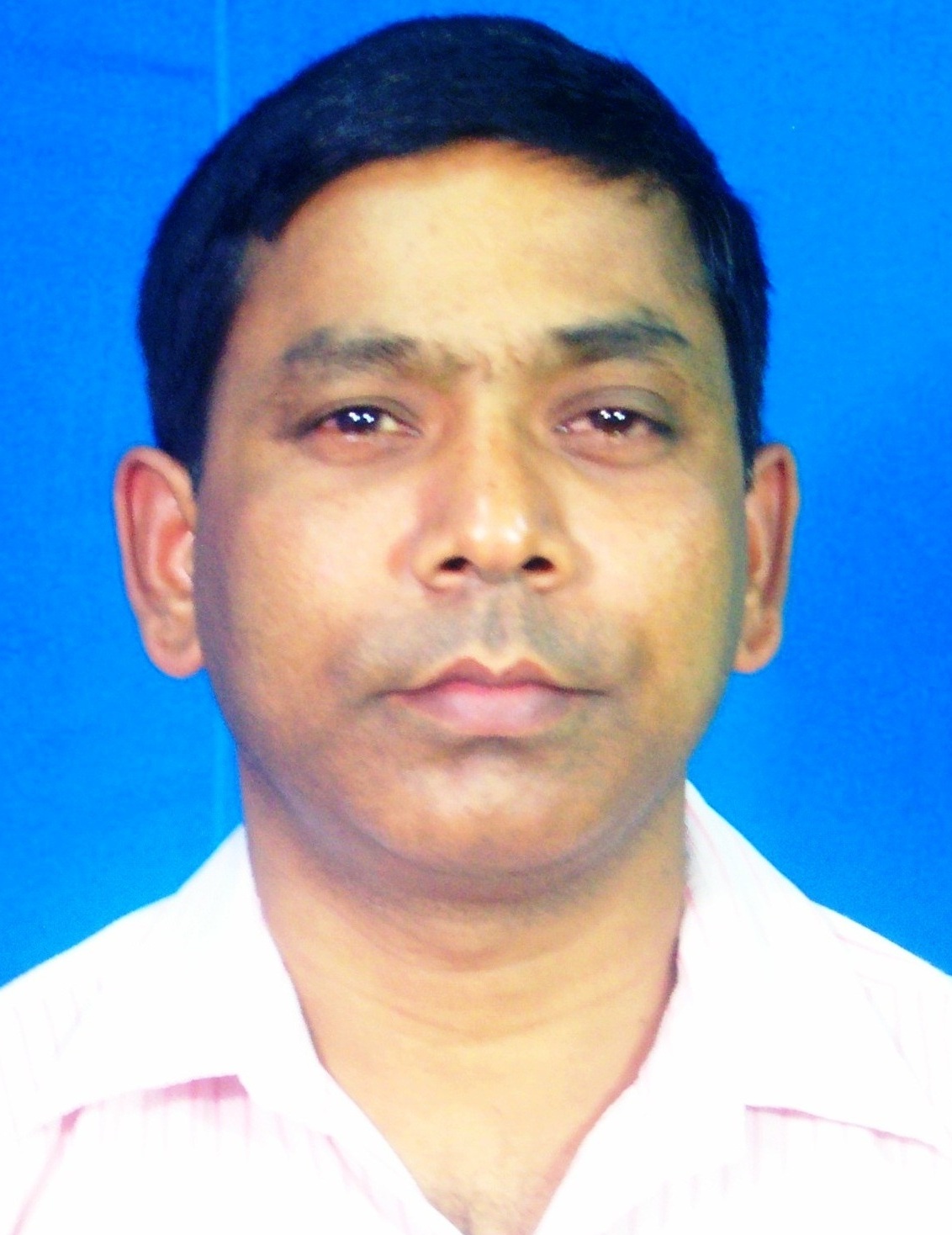
Dr. Ghana Kanta Sarma
Subject Matter Specialist View Profile
Dr. Kuldeep Talukdar
Subject Matter Specialist View Profile
Miss Lipika Nath
Subject Matter Specialist View Profile
Mr. Pinku Dhar Barman
Subject Matter Specialist View Profile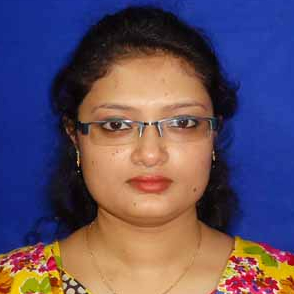
Dr. Sabina Ahmed
Subject Matter Specialist View Profile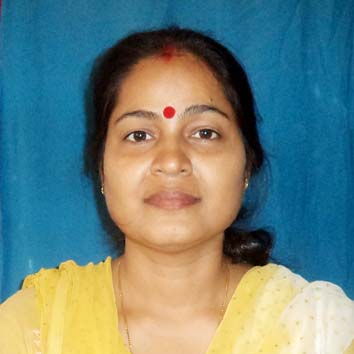
Dr. Swapna Choudhury
Subject Matter Specialist View Profile
Dr. Arup Kumar Deka
Senior Scientist View ProfileDepartment Achievements & Accolades
127 Records
This training is provided to rural youth with 23 nos of participants
Name and address of the farm woman
Mrs Kalpana Barman
Vill: Uttar Bherbheri
P.S.: Sorbhog,
P.O. Bholukadaba
Dist: Barpeta, Assam -781317
Ph. No: +919678120960
Background information regarding new technologies/innovations/skills developed implemented and disseminated among the community
Mrs Kalpana Barman earlier only used to weave traditional clothes and cultivate paddy and sesame with a very low income
Her zeal to work in different avenues made her undergo trainings on Vermicompost production, mushroom cultivation, natural dyeing of cotton yarns, horticulture nursery management in KVK, Barpeta.
With her immense success and hard work, fellow villagers also took up vermicompost production in their households. With more training, support and convergence of other departments, her village Uttar Bherbheri was declared as Vermi-village where 60 numbers of households are currently engaged in production of 500 qt vermicompost annually.
Training and motivational support to the farmers/members of the community
Mrs Barman is actively involved in uplifting the livelihood of her fellow village members. She has been appointed as ‘Krishi Sakhi’ for community development by Assam State Rural Livelihood Mission, Barpeta.
She regularly gives trainings on mushroom cultivation, vermicompost preparation and value addition of traditional clothes through natural dye free of cost to her fellow community members. Notably, earthworms required for vermicompost preparation are being provided free of cost to the new producers.
Impact in the area in terms of income/employment generation/ women’s empowerment in the community
Mrs. Barman started vermi-composting with 1 unit and then in the following year increased her vermicompost units to 4 numbers producing 40.25 qt of vermicompost per year and earned a net income of Rs 48,300.00 by selling vermicompost and vermiwash.
She encouraged the other village unemployed youths for producing vermicompost and with the support and training of KVK, Barpeta succeeded to recognise Uttar Bherbheri as Vermi-village where 60 numbers of households are currently engaged in production of 500 qt vermicompost from 65 numbers of vermi units and thus, as a whole earning a total income of Rs. 6 lakhs by all the producers.
From all of the newly adopted technologies (mushroom, vermicompost, vermiwash, clothes dyed with natural substance, potato and paddy cultivation), Mrs Barman earned Rs 1,06,300.00 as a total net income in 2020-21 in comparison to previous years i.e. before KVK intervention which was Rs 61251.00 (from paddy, sesame and woven products). Thus, Mrs Barman has increased her income up to 73.55% which encouraged other women to view her as a role model.
Noteworthily, her hand woven stales are being exported to the international market by govt. agencies.
With the success scripted, fellow villagers were also motivated with and she encouraged them through trainings and other convergence with different government agencies. She is also the co-founder of Rhimjhim Self Help Group, a self help group currently engaged in women empowerment through different employment generation activities like Mushroom cultivation, vermicompost production, weaving of traditional clothes etc.
Awards and recognition
| Sl no | Particulars of the award | Awarding agency | Year |
| 1. | Best women farmer of the district | Department of Agriculture, Barpeta | 2017 |
| 2. | Best women farmer | Krishi Vigyan Kendra, Barpeta | 2019 |
Mr. Kamal Talukdar is a farmer of the village Doloigaon of Bajali area. After passing his class XII examination, he completed the Certificate course on Plumber (ITI) and then he started farming. Mr. Talukdar has 2.4 ha of his own land for framing. He came in contact with Krishi Vigyan Kendra, Barpeta in the last part of 2019. Before that, he cultivated crops with traditional methods. He participated in a few training and demonstration programmes on field crops, horticultural crops and on plant protection after meeting KVK, Barpeta and started growing crops using scientific technology. At present, he grows vegetables in an area of 0.33 ha and field crops in the rest of the areas. The major crops he grows are rice (2.0 ha), rapeseed and mustard (1.0 ha), pulses like lentil, rajma (0.26 ha). In case of vegetables, both summer and winter vegetables are grown. He put more emphasis on organic cultivation of vegetables, some high value crops like strawberry, dragon fruit, papaya, broccoli etc. Besides crops, he has one fishery covering an area of 0.40 ha and five number of cows (Cross bred Holstrain and Jersy). At present, he is running a horticultural nursery and producing vermicompost and mushroom. Mr. Talukdar has adopted the production and management technology of strawberry, offseason and organic vegetable cultivation practices, high density planting of papaya and raising and management of horticultural nursery. He has developed Papaya stem forking (at base) to enhance the strength of the papaya plant to withstand hailstorm and wind. The enterprise wise per hectare net income of Mr. Talukdar before intervention (2019-20) and during 2021-22 is given as follows:
| Enterprise/ Crops | Net income (Rs.) | Percentage change in income during 2021-22 over 2019-20 | |
| Before intervention (2019-20) | 2021-22 | ||
| Field crops (Rice, Toria etc.) | 33500 | 50,100 | 49.55 |
| Integrated farming system/ Horticultural crops | 37400 | 77,400 | 106.95 |
| Livestock | 60300 | 68,000 | 12.77 |
| Fisheries | 86000 | 100,000 | 16.28 |
| Strawberry | 0 | 35,000 | 100.00 |
| Horticultural Nursery | 0 | 45,000 | 100.00 |
| Vermicompost | 0 | 40,000 | 100.00 |
Introduction:
Hard work with positive attitude is the prime force behind the success of an entrepreneur as proved by the dedicated farmer, Mr. Prafulla Das, a Strawberry grower of Peragaon pathar village under Sorbhog Development Block in Barpeta district of Assam. He owns only 4 bighas of land including his residence. He earns his livelihood by growing paddy and other field crops at Peragaon Pathar village with an income of mere Rs. 3000.00
KVK intervention:
In the year 2017, he first came in contact with the Scientists of Krishi Vigyan Kendra, Barpeta especially in field crops and accordingly he came to know about scientific technologies of farming. In addition, he came to know about the scope and profit from high value cash crops like strawberry, dragon fruit etc. and its potentiality as good source of earning livelihood and wholesome food supplement. With interventions like demonstration on strawberry var. Sweet Charlie & Winter Dawn, nutritive crops like black rice, Assam lemon (seedless) and introduction of Japanese quail and Kamrupa birds he got the exposure to a new avenue of income generation.
Impact of intervention:
Being inspired by the KVK support, Mr. Das was able to produce 126 kg strawberry in 1 bigha of land with a market value of Rs.450,00 per kg. With supporting farming activities like cultivation of Thailand Ber he could additionally garner Rs.40.00 per kg in 1 bigha of land. Apart from the above activities, he cultivates Assam lemon (seedless), Banana (var Malbhog & Chenichampa) in an Integrated farming System model. He also cultivates black rice, HYV Tripura Chikon and scented rice in sali season. He also took the initiative for rearing of 100 nos. of Japanese Quail and 35 nos. of Kamrupa with scientific assistance and technical guidance from KVK, Barpeta. Now, Prafulla is a successful Agri. Entrepreneur with a yearly turnover of approx. Rs. 12 lakh and presently is one of sought after strawberry farmer in the locality and a role model for many youths for taking agriculture as a profitable means of livelihood.
In the coming times, he has plan to expand his strawberry business in contract farming mode,an example for many aspiring agri-entrpreneurs.
Conclusion:
This success has now lead the self-confident Prafulla to dream for area expansion of high value crops setting an example for many aspiring agri-entrpreneurs.
| Technology details | : | TO1 : * Seedling root dip treatment of 0.5% Nano DAP liquid fertilizer * Two spray with 0.5% nano DAP liquid fertilizer at 25 DAT and 55 DAT * 50 % DAP of RD TO2 : RDF, TO3 ; Farmers’ Practice |
| Year of release | : | ICAR, IFFCO, 2018 |
Result
| Parameters | TO1 | TO2 | FP |
| Plant ht (cm) | 122.4 | 120.1 | 119.0 |
| EBT/hill | 18 | 14.5 | 12.0 |
| Duration (days) | 152 | 152 | 152 |
| Yield (q/ha) | 54.3 | 48.1 | 46.3 |
| B : C ratio | 2.6 | 2.3 | 2.23 |
|
Technology details |
: |
TO1 - NF technology
(conservation tillage-Beejamrit-mulching-Jeevamrit) TO3 : RDF +
chemical management of pest with hexaconazole 5 EC @ 2ml/lit |
|
Year of release |
: |
ICAR, 2021 |
Result
|
Parameters |
TO1 |
TO2 |
TO3 |
FP |
|
Plant ht (cm) |
35.8 |
36.4 |
38.2 |
35.1 |
|
Pod/Plant (No) |
16 |
17 |
18 |
14 |
|
Seed/pod (No) |
6 |
7 |
7 |
6 |
|
Yield (q/ha) |
5.8 |
6.1 |
6.7 |
5.1 |
|
B : C ratio |
2.13 |
2.24 |
2.4 |
1.91 |
|
Technology details |
: |
T1 : 0.5% NPK (19:19:19) spray at pre-flowering and pod initiation T2 : Farmer’s practice |
|
Year of release |
: |
ZRS, Shilongani |
D/S : 15.12.2023
|
Parameters |
Treatment |
Check |
|
Plant ht (cm) |
45.2 |
108.5 |
|
Branch/Plant |
5.4 |
4.1 |
|
Crop is at pod formation stage |
||
Technology:
T1 : 0.5% NPK (19:19:19) spray at pre-flowering and pod initiation
T2 : Farmer’s practice
Technology :
T1 : AAU Karimganj 1
T2 : AAU Karimganj 2
T3: Check
Technology : var. Valentina & Carotena
|
Parameters |
Variety |
||
|
Carotena |
Valentina |
CFL 1522 (White coloured) |
|
|
Plant height (cm) |
43.2 |
44.06 |
43.01 |
|
Av. Head Weight (g) |
920 |
811 |
1100 |
|
Crop duration (Days) |
80 |
87 |
75 |
|
Yield (q/ha) |
161 |
159 |
164 |
|
B:C ratio |
4.02 |
3.97 |
2.9 |
Technology :
var. Indi Orange & Indi Yellow
|
Parameters |
Variety |
||
|
Indi Orange |
Indi Yellow |
Bali F1 |
|
|
Days to initiation of first flower bud |
39.65 |
42.33 |
43.09 |
|
Days to 50 % flowering |
51.23 |
54.40 |
55.11 |
|
Av. Flower Weight (g) |
20.21 |
19.66 |
18.59 |
|
Flower Diameter (cm) |
5.41 |
4.23 |
5.11 |
|
Shelf life (days) |
2.77 |
3.1 |
3.07 |
Technology :
Per half bigha plot : 11 kg SSP as S source + 950 g borax as B source + RD NPK (5 kg urea + 3 kg DAP + 1.5 kg MOP)
|
Parameters |
Technology |
Control |
|
Plant height |
107.4 |
106.1 |
|
Siliqua/plant |
148.6 |
144.8 |
|
Seeds/siliqua |
13.8 |
11.2 |
|
Yield |
10.8 |
9.6 |
|
B:C ratio |
2.20 |
2.01 |
Technology :
TO1 : P. florida
TO2 : P.pulmonaris
Technology :
TO1: AAU-200 (mutated)
TO2: Ranjit Sub-1 (Parent)
TO3: Jaya (Check)
|
Parameters |
AAU-200 |
Ranjit Sub-1 |
Jaya |
|
Plant ht (cm) |
106.5 |
124.4 |
110.3 |
|
50% flowering (days) |
94 |
113 |
97 |
|
No. of panicles |
25.5 |
25.2 |
21.3 |
|
1000 seed weight |
21.20 |
20.30 |
19.90 |
|
Harvesting (days) |
121 |
152 |
133 |
|
Leaf folder infestation (%) |
1.22 |
10.34 |
8.54 |
|
Yield (t/ha) |
4.52 |
4.67 |
3.40 |
|
B:C ratio |
2.30 |
2.40 |
1.73 |
Technology :
Blending of rice straw
TO1: 30 % toria husk
TO2: 50 % toria husk
TO3: 70 % toria husk
TO4: 100 % toria husk
Technology :
For preparing mushroom soup powder, dried oyster mushrooms are finely ground in a grinder to pass through 0.5mm sieve. This mushroom powder(25g) is then mixed with milk powder (25g), corn flour (40g), salt(8g), sugar (3g), black pepper (2g) and oregano(2g). This soup powder has to be mixed with 6 times quantity of water for the preparation of good quality mushroom soup with characteristic aroma and taste.
Technology :
Formulation of the Biscuits
TO1: Farmer’s practice (Refined wheat flour 100%)
TO2: Preparation of biscuit using millet(100%)
TO3: 80% + 20%(Refined wheat flour + Finger Millet flour)
Technology : JRO-204
|
Area (ha) |
Demo. Yield (q/ha) |
Farmers yield ( q/ha) |
B.C ratio (demo) |
B:C ratio (farmers practice) |
|
0.4 |
25.3 |
23.4 |
2.40 |
2.12 |
Technology : Surma Dhan
|
Area (ha) |
Demo. Yield (q/ha) |
Farmers yield ( q/ha) |
B.C ratio (demo) |
B:C ratio (farmers practice) |
|
0.53 |
42.5 |
41.2 |
2.02 |
1.9 |
Technology : Var. Gossaigaon local (Yellow seeded)
Technology : Var. Gossaigaon local (Yellow seeded)
|
Parameters |
Variety |
|
|
Arka Nikitha |
Commando F1 |
|
|
Crop duration (days) |
130 |
125 |
|
Av. Fruit length (cm) |
7.22 |
8.73 |
|
Av. Fruit Weight (g) |
12.66 |
9.78 |
|
Yield (q/ha) |
163 |
157 |
|
B:C |
3.03 |
2.40 |
Technology : Var. Arka Prasan
|
Parameters |
Variety |
|
|
Arka Prasan |
Local |
|
|
Crop duration (days) |
135 |
140 |
|
Yield (q/ha) |
105 |
98 |
|
B:C |
3.08 |
2.88 |
Technology :
Spacing: Arecanut: 2.75-2.75m
Banana: 1.8m X 1.8m
Assam Lemon: 3m X 3m
Pineapple: 30cm X 60cm
Papaya: 1.8m X 1.8m
Ginger: 25 cm x 20 cm
Turmeric: 45 cm x 25 cm
Technology :
Application of 0.5 kg ammonium molybdate and 20 kg ZnSO4/ha in addition to biofertilizer seed treatment and 75% of RDF
|
Parameters |
Technology |
Control |
|
Plant height |
20.5 |
19.4 |
|
Pod/plant |
130.1 |
125.6 |
|
Seeds/pod |
2 |
2 |
|
Yield |
9.5 |
8.4 |
|
B:C ratio |
2.3 |
1.96 |
Technology :
Use of Beejamrit, Jibamrit, Neemastra, Brahmastra etc.
|
Results of Assessment |
||
|
Parameter |
T |
C |
|
Plant height (cm) |
109 |
|
|
1000 grain weight |
21.0 g |
19.20 g |
|
Duration |
155 days |
155 days |
|
Dead heart (%) |
8.44 |
1.35 |
|
Leaf folder(%) |
7.44 |
2.33 |
|
Yield (q/ha) |
38.6 |
43.2 |
|
B: C ratio |
1.9 |
2.20 |
Technology :
Pleurotus florida
Technology :
Apis cerana indica
Technology :
Model Nutrition Garden with the area of 200sq m.
8 nos. of standard plot with area of (3x4)sq. m
3 nos. of different fruits in north side of nutrition garden
Technology :
The ring cutter is made of aluminum metal that can be put like ring in fingers according to the workers’ convenience. It has an attached small curved blade for harvesting the fruits & vegetables.
Technology :
Cross bred Beetal goat as quality input. The goat was reared under scavenging system in backyard and AI was done with the help of Animal Husbandry department
Technology :
Rainbow rooster poultry as quality inputs. The chicks were brooded up to 4 weeks of age for rearing under scavenging system in the backyard
Technology :
BV380 as quality inputs. The BV380 are being reared under scavenging system in the backyard
| Training on soil sampling techniques |
Training on Marketing of Agricultural products
Training on Fibre Extraction from plant source
Training on Farm Planning and management
Training on Farm record keeping and account maintenance
| Training on IPM and IDM of Ginger and turmeric |
Training on Application of biocontrol agents and biopesticides
Vocational training on Processing and preservation of locally available fruits and vegetable
Training on Transformation of Agriculture to Agri-business
Training on Application Of Biocontrol Agent And Biopesticide
Training on Production technology of Sali paddy and hybrid paddy
Self financed training programme for Agriculture Input Dealers of Barpeta district
| Training on Tie and Dye Used in Fabric |
Training on “Cutting and Stitching of Petticoat”
Training on cultivation of oyster mushroom
| Training on millet production |
Training on millet production at Kadong
Training on millet production at Sonapur
Training on millet production at Joypur
Training on Transformation of Agriculture to Agri-business
Training on Agripreneurship development for self employment generation
Training on Fibre Extraction from plant source
Vocational training on “Raising and management of Horticulture nursery”
Training on Post harvest management of fruits and vegetables
Training on Production and management technology of Banana
| Training on Natural Farming |
Training on Goat Farming - its economic impact on rural women
Training on feeding management in ruminant & preparation of silage & Hey
Training on Biosecurity measures in Pig farm & Bokasai system
Training on Agripreneurship development for self employment generation
Training on Transformation of Agriculture to Agri-business
Training on Production technology of fodder crops
Skill development training on preparation of bioinputs under organic farming project
Training on Mushroom Spawn Prduction Technology
Self finance training on Input Dealer for insecticide dealer
Training on Scientific cultivation of Rabi maize
Training on Contingency Agricultural plan for flood prone areas
Training on Cutting and Stitching of Petticoat
Training on Marketing of value added agricultural products
Training on Improved method of Toria cultivation
Training programme on Improved method of Toria cultivation
Training on Mushroom Production Technology
Vocational training programme on ‘ Commercial Production of vermicompost as a rural enterprise.’
Training For Input Dealer On Insecticide Management
Vocational Training on “Designing & Construction of Blouse”
| Colaborative Training On Honeybee |
Training on organic compost in collaboration with 27 SSB Howly.
Training on production and management of Assam Lemon
Training on Production and management technology of strawberry
Training on Processing and preservation of fruits and vegetables
Training on Agricultural Input Dealer training of stakeholdres of Primary Agricultural credit Societies
| Training on food adultration |
Training on Farm Planning and management
Training and Awareness programme on Grading and Standardization of Agricultural Products
Training programme on Value addition of crops
Method Demonstration On “Biofertilizer Seed Treatment On Lentil
Method demonstration on Propagation techniques of Horticultural crops
World Environment Day
| International Yoga Day |
| National Fish Farming Day |
95th ICAR foundation day & technology day
Meri Maati Mera Desh Campaign
| Celebration of Hindi diwas |
Plantation Programme under Poshan Maah Celebration
Programme on Recipe Competition under Poshan Maah Celebration
Celebration of National Ayurveda day
Celebration of National Ayurveda day
Celebration of Soil Health Day
Celebration of rastriya kisan diwas
Webcasting of Natural Farming Conclave 2023
Webcasting of National Mega Conclave on PACS as FPOS
PM Kisan Webcasting Programme
Webcasting of Vikshit Bharat Sankalp Yatra
Awarness programme on Mission lifestyle for environment
Awareness programme on Crop Insurance and its Importance
Awareness programme on Crop Insurance and its Importance
| Awareness on millets |
| Parthenium Awareness Week |
Awarness Programme on value addition of millets
World Environment day was celebrated with pomp and grandure at KVK Kvk Barpeta in association with Sankardev Sishu Niketan Howly and Sublime Academy. In conjuction with the occasion an art competition was also conducted.
Webcasting of 17th installment of PM KISAN
Introduction of Kharif VKSA:
VKSA programme was carried out by KVK Barpeta in coordination with state departments of Agriculture, Horticulture, Fishery and Veterinary from 29th May to 12th June, 2025, with the objectives
1. To create awareness among farmers about improved agricultural technologies
2. To make aware farmers about various government schemes and policies on agricultural development
3. To mobilize the scientific fraternity to have reciprocal learning with farmers and to document grassroots insights for strengthening agricultural research
4. To understand local-level needs and gather farmer feedback on improved technologies
Details of selected villages
|
Date |
Name of the Block |
Name of the Gram Panchayat |
Village 1 |
Village 2 |
Village 3 |
Village 4 |
|
29.05.25 |
Barpeta |
Kumuliapara khandakarpara, Dabaliapara |
Hatijana |
Mairamara |
Dabaliapara |
Dhakaliapara |
|
30.05.25 |
Rupsi |
Balaipathar, Showpur |
Kharballi |
Balaipathar |
Showpur |
Udmari |
|
31.05.25 |
Pakabetbari |
17 no dakhin paka, 37 no dakhin pub paka |
Naligaon |
Nalipam |
Kawoimari |
Neularbhitha |
|
02.06.25 |
Chenga |
Haripur, 26 no dakhin gudhuni |
Haripur |
Kakdhowa |
Bandali |
Padmapara |
|
03.06.25 |
Gomaphulbari |
Goma, 100 no Roumari Pathar |
Balapara |
Goma |
Chatagaon |
Balartari |
|
04.06.25 |
Chakchaka |
Puthimari, Chakabausi |
Puthimari |
Duramari |
4 no Uttar bherbheri |
5 no Dakhin bherbheri |
|
05.06.25 |
Chenga |
Bahari, Chenga |
Bahari |
Niz bahari |
Khongra |
Chenga mpara |
|
06.06.25 |
Rupsi |
Haldia, Madulijhar |
Haldia gaon |
Ghugubari pathar |
Raha |
Dharmapur |
|
09.06.25 |
Pakabetbari |
Uttar betbari, Pub Betbari |
Ota |
Bhowkamari |
Kaljhar |
Kujarpith |
|
10.06.25 |
Barpeta |
Patbausi, Bhella |
Baradi |
Bheraldi |
Kahibari |
Majorgaon |
|
11.06.25 |
Gomaphulbari |
95 no Palhaji, Pajarbhanga |
Palhaji |
Goremari Habi |
Suha Bildoloni |
Damaljhar |
|
12.06.25 |
Ruposi |
Borbhitha |
Kandulia |
Barbhitha |
Dadandia |
Kalgachia |
Farmer’s innovation identified/Farmer’s Feedback, if any.
· Availability and accessibility of timely critical inputs
· Transport and marketing problem (supply chain management)
· Poor access of farmers to Institutional Credit facility
· Climate variability and Natural disaster
· Lack of awareness regarding governmental schemes and modern technologies due to illiteracy
Conclusion
In the VKSA programme 8028 male and 9052 female farmers participated from both Barpeta and Bajali district
Following are the achievements of KBA about awareness and capacity building of farmers and other stakeholders (during 1-30 June) 2026
|
Training Awareness programs organised |
|||||
|
No. of teams formed |
No. of villages covered |
No. of programs |
No. of participants (Male) |
No. of participants (Female) |
Total particiapants |
|
2 |
29 |
29 |
1597 |
556 |
2153 |
No. of people reached through social media : 750
2 nos of Panchayat Sammelan organised for current & former Sarpanchs/Panchs/Members of wards with 51 participants
Category: Value addition
Ajanta DasBackground Profile
NameAjanta DasFather's nameMr. Jogeswar DasVillageDakhin Ganakgari, SorbhogDistrictBarpeta, AssamMobile9957232036The journey to successActivities and approachesMs. Ajanta Das, an arts graduate, initially pursued handloom activities but had to stop due to financial difficulties. She then started making and selling rice cakes, later expanding to refined flour cakes. With a passion for food preparation and a strong desire for independence, she pursued training in value-added products from rice, fruits, and vegetables. Passionate about creating value-added products, she sought training from Krishi Vigyan Kendra, Barpeta in 2022.
Technology infused, implementation and resultsIn 2023, she attended further training on millet production, utilization, and mushroom-based products. Encouraged by KVK scientists, she established Nabaneeta Enterprise in Dakhin Ganakgari, Sorbhog, where she now produces and sells pickles, jam, and jelly in local markets. Committed to continuous learning, she has attended various training programs by KVK, the Coconut Board, and DICC Barpeta on food processing, preservation, and industrial packaging. She actively participates in exhibitions and fairs, further strengthening her entrepreneurial journey.
InnovationMillet cake exhibited in KVK, Barpeta in International Millet Day, Demonstration of Millet cake in KVK, Chirang, during a training session where Ms. Das was acted as a resource person.
Any other relevant informationToday, Ajanta Das is a successful entrepreneur and a master trainer in value addition, conducting training sessions on fruits, vegetables, coconut, millet, and mushrooms for organizations like KVK Barpeta, Bongaigaon, Chirang, Social Welfare Department, and NGOs. She has motivated 15 women in Barpeta district, employing three in her enterprise.
Annual Turnover: Rs. 2,20,000.00 – 2,50,000.00
Category: Animal Science (Integrated farming system)
Archana Das
Background Profile
- Name
- Archana Das
- Father's name
- Late Baliram Das
- Village
- Bogapara, Patacharkuchi
- District
- Bajali, Assam
- Phone
- 8638855263

The journey to success
Activities and approaches
Archana Das, B.A., B.Ed. from Bogapara village during the year 2021, engage her in farming. She started a broiler farm along with horticultural crops like banana, pineapple, assam lemon, coconut, betelnut, black pepper in her own farm. With the increasing demand and profit, later, she developed a fishery about five bighas of land with a variety of fishes. In addition, she reared ten numbers of Assam hill goat in her farm.
Technology infused, implementation and results
Training on feeding management, fodder cultivation and preparation of silage for ruminant and scientific goat farming for economic benefits of rural women.
Recognition received at district level: District Administrative office, Bajali
Annual turnover
- From fishery
- 5,00000.00
- From poultry
- Rs. 1,00000.00
- From goatery
- Rs. 1,20000.00
- From horticultural crops
- Rs. 1,00000.00
Category: Crop Production
Gunajit Nath
Background Profile
- Name
- Gunajit Nath
- Village
- Anandapur, Nityananda
- District
- Bajali, Assam
- Phone
- 6003593558

The journey to success
Activities and approaches
Mr. Gunajit Nath, a dedicated organic farmer, has been cultivating kharif scented rice using traditional, chemical-free methods. He initially started with local rice varieties such as Kunkuni Joha and Bogi Joha, followed by rapeseed cultivation in the rabi season. Recognizing the potential of organic farming, he sought expert guidance and enrolled in organic rice cultivation training at KVK Barpeta.
Technology infused, implementation and results
During this time, KVK Barpeta launched an organic farming project in Anandapur and Kharadhara villages, which aimed to promote sustainable agricultural practices. Mr. Nath actively participated in this initiative and attended skill development training on organic inputs, where he learned about vermicompost preparation, azolla rearing, and biofertilizer application. These techniques helped him improve soil fertility, reduce dependency on chemical fertilizers, and enhance the overall productivity of his farm.
With KVK's technical guidance and support, Mr. Nath expanded his organic rice cultivation to premium Joha rice varieties, including Tulsi Joha, Keteki Joha, and Bakul Joha. These scented rice varieties are highly sought after for their unique aroma and quality, adding significant value to his farming business. By adopting organic methods, he has not only ensured sustainable soil health but has also contributed to environmental conservation and healthier food production.
Annual turnover: Rs. 6,30000.00
1. Name of the Entrepreneur : MRS. KALPANA BARMAN
2. Details of Entrepreneur:
|
i. Year of establishment of Enterprise |
: 2012 |
|
ii. Father’s Name |
: Lt. Brikodar Saikia |
|
iii. Address |
: Uttar Bharbheri, P.O. Bhalukadoba, District: Barpeta, Assam, PIN 781317 |
|
iv. Block |
: Chakchaka |
|
v. Phone No. |
: + 91 9678120960 |
|
vi. Adhar No. |
: 305665659685 |
Mrs. Kalpana Barman was a housewife till 1997. She has two sons. She continued her studies up to class 12 and due to financial problem, she could not continue her studies. After the sudden death of her husband in 1997, she faced an enormous financial problem. She ran her family with a great difficulty for about 12 years. Then she started working in crop field and cultivated crops to meet up her livelihood. Mrs. Sewali Pathak, Sorbhog, a friend and well-wisher of Mrs. Barman sent her to Krishi Vigyan Kendra (KVK), Barpeta for some agricultural training. Accordingly, she came to KVK, Barpeta in 2011 and met the Programme Coordinator. Mrs. Barman attended numbers of vocational trainings like production of vermicompost, mushroom, value addition of locally available fruits and vegetables etc. at KVK, Barpeta. After successful completion of the trainings, she chose to produce vermicompost. Presently, she is primarily engaged in production of vermicompost. At this juncture, she played a pivotal role in organizing the farmers of her village to get them involved in vermicompost preparation which was later declared as the Vermi-Village. In 2015, she was engaged as ‘Krishi Sakhi’ under Chakchaka Development Block of Barpeta district and presently, she has been guiding 57 (Fifty seven) numbers of Self Help Groups.
3. Commodities dealt with : Production of vermicompost and pickles
4. Technology support given by KVKs :
i. Vocational training
|
Sl. No. |
Title of training programme |
Conducted by |
Date |
|
1 |
Vocational training on Tailoring (Infant and Children garment making) |
KVK, Barpeta |
20th – 27th January, 2016 |
|
2 |
Vocational training on Commercial production of Organic manure as a rural enterprise |
KVK, Barpeta |
20th -n 25th September, 2017 |
|
3 |
Vocational training on Techniques of mushroom spawn production |
KVK, Barpeta |
20th – 24th February, 2018 |
|
4 |
Vocational training on Raising and Management of Horticultural Nursery |
KVK, Barpeta |
4th -9th January, 2019 |
|
5. |
Vocational training on Processing and preservation of locally available fruits and vegetables |
KVK, Barpeta |
27th June – 1st July, 2023 |
ii. Supply of vermi-bag for production of vermicompost – 3 nos.
5. Current status of Entrepreneur:
Mrs. Barman had been able to acquire skills after undergoing several vocational training programmes conducted by KVK, Barpeta. Owing to financial and family constraints, she preferred to adopt the technology on production of vermicompost as primary occupation.
Initially, during 2011-12, she started to produce vermicompost in a small low-cost tank made of bamboo and black polythene sheet of size 6ft X 3ft X 2.5 ft. Over the period, she increased the number of vermicompost tanks and at present she has been producing vermicompost in six numbers of tanks of size 12ft X 3ft X 2.5 ft. Because of her good performance on vermicompost production and marketing, she was offered one concrete vermicompost tank of size 30 ft X 4 ft X 2.5 ft. by Coconut Development Board, Guwahati during 2024-25. During 2024-25, she produced 120 q of vermicompost and sold the whole quantity.
Now, Mrs. Barman has been recognised as an expert in production of vermicompost. She has been invited as a Resource person by different organizations of Barpeta district.
Mrs. Barman attended a vocational training on value addition of locally available products during 2023 at Krishi Vigyan Kendra, Barpeta. After gathering the technical know-how on pickle making, she started to produce pickles from locally available fruits and vegetables like jackfruit, king chilli, local chilli, garlic, mixed vegetables etc.
|
Year |
Enterprises |
Total production (q) |
Gross Income (Rs.) |
Gross cost (Rs.) |
Net profit (Rs.) |
B-C ratio |
|
2011-12 (Base year) |
Vermicompost |
20 |
20000 |
10800 |
9200 |
1.85 |
|
2021-22 |
Vermicompost |
90 |
117000 |
39930 |
77070 |
2.93 |
|
2022-23 |
Vermicompost |
95 |
123500 |
40500 |
83000 |
3.05 |
|
2023-24 |
Vermicompost |
110 |
165000 |
51700 |
113300 |
3.19 |
|
Pickle making |
0.97 |
26675 |
9850 |
16825 |
2.71 |
|
|
2024-25 |
Vermicompost |
120 |
180000 |
56100 |
123900 |
3.21 |
|
Pickle
making |
Laxmi Cooperative Farmers Producer Organisation was registered during
September 2021 under the ambitious programme “CSS-10000 FPO” under the Societies
Registration Act at Barpeta district of Assam. With implementing agency “National
Cooperative Development Corporation” and KVK Barpeta as “Cluster based business
organisation (CBBO)”, the FPO started working with 100 registered members. With an initial
equity grant of Rs. 1,40,000.00 and shares from its members, the shareholders started
working on its approved commodity i.e. Mustard and vegetables.
During the upcoming years, the FPO had raised its members upto 330 and gained
number of input licenses such as Pesticide, Seed and Fertilizer for easy availability of the
agricultural chemicals to its members with a lower cost. Moreover, the FPO started to
aggregate agricultural products from its members and sold them at higher to reduce distress
sale of the members.
During the year 2024-25, the FPO with the help of ICAR’s flagship programme
“Model Oilseed village” cultivated Toria (var. TS-38) at an area of 200 ha at their jurisdiction
village Patbaushi. With bumper yield of the crop, the FPO is estimated to earn a profit of Rs.
70-80 lakhs selling oil and seeds of the crop. Moreover, the FPO had already installed an Oil
Mill to process the seeds and is on the way to make its own brand. The same is envisioned for
selling on ONDC platform and other online marketplaces.
Thus the FPO had bought smiles to its members.
Specific technology name: Performance of HYV toria (var. TS 38)
|
Name of KVK |
KVK, Barpeta |
|
Name of crop |
Toria |
|
Name of variety |
TS 38 |
|
Name of farmer |
Mrs. Aklima Parbin |
|
Farmer address |
Village: Naligaon, P.O. Kayakuchi, Dist: Barpeta, Assam |
|
Background information about farmer field |
Mrs. Parbin lives with her husband with her children. She has 1.0 ha of land for cultivation of crops. She grew toria under CFLD on rabi oilseeds (crop Toria) in an area of 0.4 ha. She has been involving in farm practices for last 6 (six) years. In addition to toria, she grows summer rice potato. She also rears cows and poultry birds. |
|
Details of technology demonstrated |
i. Seed: 10 kg/ ha ii. Vermicompost @ 2.20 q/ha iii. Borax: 7.5 kg/ha |
|
Institutional Involvement |
KVK, Barpeta actively involved in technical guidance on different farm activities |
|
Success point |
Yield of the variety |
|
Farmer feedback |
Farmers find the variety superior than their own variety |
|
Outcome yield |
10.7 q/ha |
|
Potential yield of variety |
11.0 q/ha |
|
District average |
7.2 q/ha |
|
State average |
6.0 q/ha |
Performance of technology vis-a-vis farmer (Increase in productivity and returns):
|
Specific Technology |
Yield (q/ha) |
Gross cost (Rs./ha) |
Gross income (Rs./ha) |
Net income (Rs./ha) |
B:C ratio |
|
Farmer practice |
7.6 |
22,220.00 |
38,000.00 |
15,780.00 |
1.71 |
|
Demonstration |
10.7 |
25,720.00 |
53,500.00 |
27,780.00 |
2.08 |
|
% Increase |
40.79 |
15.75 |
40.79 |
76.05 |
20.23 |
Specific technology name: Performance of HYV toria (var. TS 38)
|
Name of KVK |
KVK, Barpeta |
|
Name of crop |
Toria |
|
Name of variety |
TS 38 |
|
Name of farmer |
Mr. Harekrishna Deka and his group |
|
Farmer address |
Village: Bor Gomura, P.O. Sarthebari, Dist: Barpeta, Assam |
|
Background information about farmer field |
Mr. Deka and his group cultivate crops individually; but the grew toria in group in an area of 4.0 ha under CFLD on rabi oilseeds (crop Toria). The major crops they grow are winter rice. Some of them grow potato and rears cows and poultry birds. |
|
Details of technology demonstrated |
i. Seed: 10 kg/ ha ii. Vermicompost @ 2.20 q/ha iii. Borax: 7.5 kg/ha |
|
Institutional Involvement |
KVK, Barpeta actively involved in technical guidance on different farm activities |
|
Success point |
Yield of the variety |
|
Farmer feedback |
Farmers find the variety superior than their own variety |
|
Outcome yield |
10.8 q/ha |
|
Potential yield of variety |
11.0 q/ha |
|
District average |
7.2 q/ha |
|
State average |
6.0 q/ha |
Performance of technology vis-a-vis farmer (Increase in productivity and returns):
|
Specific Technology |
Yield (q/ha) |
Gross cost (Rs./ha) |
Gross income (Rs./ha) |
Net income (Rs./ha) |
B:C ratio |
|
Farmer practice |
7.3 |
22,550.00 |
36,500.00 |
13,950.00 |
1.62 |
|
Demonstration |
10.8 |
25,800.00 |
54,000.00 |
28,200.00 |
2.09 |
|
% Increase |
47.95 |
14.41 |
47.95 |
102.15 |
29.01 |
1. Name, Address, Block, Village, Phone No. Adhar No.
|
Name |
DIPIKA DAS |
|
Father’s/ Mother’s/ Husband’s Name |
Mr. Kuladip Medhi |
|
Address |
Village: Balipara, P.O. Bhaluki, District: Barpeta PIN 781375, Email ID: dmedhi1988@gmail.com |
|
Block |
Bajali |
|
Phone No. |
8638888185 |
|
Adhaar No. |
903413498963 |
2. Category-agriculture, horticulture, animal husbandry, fishery, Sericulture etc.
Mushroom production and marketing
3. The journey to success:
After completion of graduation, Mrs. Das was educated with Diploma in Computer Applications. She was working in a private school as a Computer teacher till 2000. At that period, her husband was working in a company. During the lockdown period of Covid 19, her husband and she herself were out of work and they were finding it very difficult to manage the meager household expenses. One of her uncles is working as an Agriculture Officer. She was inspired by her uncle to grow mushrooms as a means of her livelihood. Then she searched for the technology of mushroom production on the internet and started to grow mushrooms in a very small scale using only 100 bags. The products were sold locally to their neighbours and some were consumed by them. By the end of 2021, she came to Krishi Vigyan Kendra, Barpeta to know the detail production technology of mushroom. After getting technical support from KVK, Barpeta, she along with her husband expanded the business and marketed their products in the nearby areas and markets and neighbouring districts specially to Kamrup and Baksa. With the passes of time, she could get a market linkage with a farm at Guwahati and supplied their products to that farm. Initially, she faced a serious problem in marketing at Guwahati owing to insufficient production of fresh mushroom at regular interval and thus, she could not supply the fresh mushroom as per the requirement. Then she and her husband tried to motivate some rural youth in her locality and nearby areas and district specially in Nalbrai district to engage in mushroom production. Accordingly, she could be successful in motivating the local youths and a greater quantity of mushroom production took place. As of today, fifteen new mushroom growers have been developed by her. She was fully assisted by her husband and her husband regularly collects the fresh mushroom from the mushroom growers and supplies the products to Guwahati. On average 25 kg of fresh mushroom has been supplied every day at a price of Rs. 100 per kg of fresh mushroom. She has been assisted by Krishi Vigyan Kendra, Barpeta through technical support from time to time. Mrs. Das has been fully engaged in the mushroom production unit and give away the interest of previous service. She has been growing mushroom round the year. As of today, more than 2000 (two thousand) mushroom bags are available at her farm for the production of mushroom. At present, she can earn an income of Rs. 30,000.00 per month and from which she can easily manage her family livelihood. She is now financially independent. Mrs. Das is a very good example of women empowerment. For more gathering of her knowledge, she underwent one month short term training course on ‘Mushroom Production Technology’ offered by the Directorate of Open and Distance Learning, Assam Agricultural University from 9th March to 6th April, 2023. She also attended a seven day vocational training programme on ‘Mushroom Production and Value Addition’ jointly organized by DICC Barpeta and Krishi Vigyan Kendra, Barpeta from 30th May to 7th June, 2023.
4. Recognition:
Yet to receive
5. Future plan
Mrs. Das is a very enthusiastic and mentally strong woman. She has a very strong dedication to her jobs. Her future plan is to expand her business in a very bigger way so that the local and nearby unemployed youth can be motivated and can be made them self-employed. Her future plan is to produce value added products of mushroom and create some employment opportunities for the youths of her locality.
6. Photograph:
Sent in a separate folder
7. Contributor of the story:
i. Dr. Ghana Kanta Sarma, SMS (Agril. Economics), KVK, Barpeta
ii. Dr. Kuldeep Talukadar, SMS (PP), KVK, Barpeta
1. Title : Entrepreneurship development through Tailoring
2. Name, Address, Block, Village, Phone No. Adhar No.
|
Name |
Mamoni Ray |
|
Father’s/ Mother’s/ Husband’s Name |
Lt. Nandamohan Ray |
|
Address |
Village: Bhalukadoba, P.O. Bhalukadoba, District: Barpeta. Assam, PIN 781317 |
|
Block |
Chakchaka |
|
Phone No. |
9706534364 |
|
Adhaar No. |
614975642547 |
3. Category-agriculture, horticulture, animal husbandry, fishery, Sericulture etc.
Cutting-Knitting and Tailoring
4. The journey to success:
Miss Mamoni Ray belongs to a very poor family. She lives with parents and four sister. She is the eldest of all the sisters. Her father was a marginal farmer and grew all the crops in traditional methods for which he could not manage his family expenditure and used to face financial problem. Even, he could not manage a healthy food, and clothes to all the family members in due course of time. During the last covid period he lost his life. This was the challenging time for Miss Ray. When she became older, she thought to start stitching of required dresses for her and her sisters at home without any formal training. Her mother inspired her a lot to continue the job. Initially, she got a training on embroidery, making of handkerchief, table cover cloth etc. Accordingly, she started to make handkerchief, table cover cloth as per the local demand and order from the school children for their work experience activities. In this way she could earn Rs.1800.00 (Rupees one thousand eight hundred) only per month. In the year 2015, she attended a vocational training on Knitting and Tailoring organized by Krishi Vigyan Kendra, Barpeta where she could learn cutting, knitting, blouse making, embroidery, petticoat and chalwar making. After that, she expanded her activities and business and started to make and stitch all the ladies wear and even, the school uniforms for girls at home. In the year 2018, she started a tailoring shop at Bhalukadoba market. She has been assisted by her one younger sister. Presently, her monthly income from her business id more than Rs. 20,000 (Rupees twenty thousand) only per month. In the meantime, she was engaged as Krishi Sakhi under State Rural Livelihood Mission, Chakchaka Block in 2018.
5. Recognition:
Yet to receive
6. Future plan
Miss Ray is a very enthusiastic and mentally strong woman. She has a very strong dedication to her jobs. Her future plan is to expand her business in a very bigger way and in a specialized manner so that more income can be received from the enterprise and some of the local youth can be engaged in her enterprise.
7. Photograph:
Sent in separate file
8. Contributor of the story:
i. Dr. Ghana Kanta Sarma, SMS (Agril. Economics), KVK, Barpeta
ii. Dr. Swapna Choudhury, SMS (Community Science), KVK, Barpeta
1. Title : Entrepreneurship development through Goat Farming
2. Name, Address, Block, Village, Phone No. Adhar No.
|
Name |
MRS. HASINA KHANOON |
|
Father’s/ Mother’s/ Husband’s Name |
Jamal Uddin Ahmed |
|
Address |
Village: Betbari, P.O. Barbala, District: Barpeta Assam |
|
Block |
Bhawanipur |
|
Phone No. |
7578035794 |
|
Adhaar No. |
457819426527 |
3. Category-agriculture, horticulture, animal husbandry, fishery, Sericulture etc.
Goat Farming
4. The journey to success:
Mrs. Hasina Khanoon ia a goat farmers. She has been rearing goat for about last six years; but not in a scientific way. After her engagement as ‘Pashu Sakhi’ under State Rural Livelihood Mission, under Bhwanipur Development Block, she put more interest on rearing of goat as a business enterprise. In 2020, she came to Krishi Vigyan Kendra, Barpeta to gather technical knowhow on scientific rearing of goat and in 2021, she attended a three days training programme on ‘Scientific Goat Farming’ under DBT Bio-tech Kisan Hub programme. Observing her interest, skill and enthusiasm on livestock farming, Krishi Vigyan Kendra, Barpeta gave her two numbers of cross bred female beetal during 2021-22 under DBT Bio-tech Kisan Hub demonstration programme. In the first year, she got four numbers of kids from the does. Gradually, the number of goat is increasing and at present she has 12 (Twelve) number of goats. As per the recent information from her, three numbers of does are pregnant and it expected to get at least 4-5 more goats within a very short period of time. In addition to the beetals, she rears some local goats, cows, duck and poultry birds. She sells her does to the other women of her village and nearby villages. Five women of her village and two women of nearby villages collected goat from her for rearing. As a Pashu Sakhi she inspires the women under her jurisdiction for rearing of goat in a scientific way and to collect the kids of improved quality. In 2022-23 she earned Rs. 35,000.00 (Rupees thirty five thousand) only by selling goat.
Table: Income from goat rearing
|
Year |
No. of goat |
Income (Rs.) |
|
|
Crossbred Beetal |
Local |
||
|
2021-22 |
2 |
4 |
8000.00 (From local goat) |
|
2022-23 |
6 |
8 |
35,000.00 (Local + Crossbred beetal) |
5. Recognition:
Yet to receive
6. Future plan
Mrs. Khanoon is a very enthusiastic and mentally strong woman. She has a very strong dedication to her jobs. Her future plan is to expand her business so that the local and nearby unemployed youth can be motivated and to make them self-employed.
7. Contributor of the story:
i. Dr. Ghana Kanta Sarma, SMS (Agril. Economics), KVK, Barpeta and
ii. Dr. Dilip Kumar Dev Choudhury, Programme Assistant (Animal Science)
|
Sl No |
Type |
Date of Commencement |
Date of End |
No of Participants |
||
|
Male |
Female |
Total |
||||
|
1.
|
Input Dealers |
27.09.2021 |
11.10.2021 |
24 |
1 |
25 |
|
2.
|
Input Dealers |
11.11.2021 |
30.11.2021 |
22 |
3 |
25 |
|
3.
|
Input Dealers |
24.01.2022 |
11.02.2022 |
23 |
2 |
25 |
|
4.
|
Input Dealers |
24.03.2022 |
11.04.2022 |
21 |
4 |
25 |
|
5.
|
Input Dealers |
08.06.2022 |
04.07.2022 |
24 |
1 |
25 |
|
6.
|
Input Dealers |
13.09.2022 |
27.09.2022 |
22 |
3 |
25 |
|
7.
|
Input Dealers |
30.05.2023 |
17.06.2023 |
25 |
0 |
25 |
|
8.
|
Input Dealers |
17.07.2023 |
03.08.2023 |
24 |
1 |
25 |
|
9. |
PACS |
01.02.2024 |
19.02.2024 |
21 |
1 |
22 |
|
10. |
Insecticide Management |
20.9.2023 |
6.10.23 |
40 |
0 |
40 |
|
11. |
Insecticide Management |
5.12.2023 |
19.12.2023 |
38 |
2 |
40 |
|
12. |
Insecticide Management |
4.7.2024 |
18.7.2024 |
| ||
AAU-KVK, Barpeta
The National Education Policy (NEP) 2020 envisages Internships as mandatory for undergraduate students, designed to integrate practical experience with academic learning and provide experiential on-site learning opportunities. These mandatory internships are worth credits, typically 2-4 credits for a 4-6 week period, and are often completed after the fourth semester, with various potential academic institutions including government bodies, private
organizations, NGOs, research institutions, and businesses.
Internship is an important component of students' academic and professional
development, as it provides an opportunity to bridge the gap between theoretical knowledge and practical application. During the internship programme, the students were exposed to various activities related to agriculture and allied sectors, including field-based learning, practical demonstrations, technical sessions, farmer-oriented activities and other extension programmes conducted by KVK Barpeta.
A total of 30 students of B.H. College, Howly, Bhattadeb University, Pathsala and B. Borooah College, Guwahati participated in the internship programme at KVK Barpeta. During the internship period, the students were involved in a range of activities including crop production, nursery management, soil and nutrient management, plant protection, horticultural practices, farm
machinery and implements, livestock and poultry management, agricultural demonstrations, farmer training programmes and other extension activities of the KVK.
The students also had the opportunity to interact with scientists, technical staff and farmers, which helped them understand the practical challenges faced by farming communities and the role of scientific agricultural technologies in improving farm productivity and profitability. Field visits, practical demonstrations and participation in KVK activities further enhanced their technical skills, confidence and understanding of agricultural extension
Research & Extension Projects
22 Total Projects
Ongoing Projects (9)
SC-SP project for upliftment of livelihhod of rural peaple
Promotion of Double cropping system in Assam
Mega project on Rapessd-Mustard value chain develpment through promotion of scientific cultivation in Assam
Developing voluntary carbon market project for agroforestry plantation in the state of Assam
Upscaling of Organic Technologies through Development of Modal Organic Farm in Aspirational district of N. E Region
Project on Natural Farming
Establishment of Zero Energy Cool Chamber
Identification and Popularization of Feasible and Profitable IFS Modules for different Agro-Ecological Situations of Barpeta District
APART
Completed Projects (13)
A study on diversification of field crops in Barpeta district of Assam
(PI/Co-PI/Associated Scientist : Dr. Ghana Kanta Sarma)
Impact assessment of APART project in Barpeta district of Assam
(PI/Co-PI/Associated Scientist : Dr. Ghana Kanta Sarma)
Mushroom Spawn production
(PI/Co-PI/Associated Scientist : Dr. Arup Kumar Deka)
Baseline socio-economic survey of adopted village Dhemchapathar
(PI/Co-PI/Associated Scientist : Dr. Ghana Kanta Sarma)
Impact assessment of Cluster Front Line Demonstration programme on oilseed crops (Toria) in Barpeta district of Assam
(PI/Co-PI/Associated Scientist : Dr. Arup Kumar Deka)
A Comparative Economic Study on Improved Technology of Turmeric (var. Megha Turmeric) cultivation over traditional method
(PI/Co-PI/Associated Scientist : Dr. Ghana Kanta Sarma)
A study on adoption of AAU’s major rice varieties in Dhubri district of Assam
(PI/Co-PI/Associated Scientist : Dr. Ghana Kanta Sarma)
Base line survey on demand-supply relation in food grains in Dhubri district of Assam
(PI/Co-PI/Associated Scientist : Dr. Ghana Kanta Sarma)
DBT Biotech Kisan Hub
(PI/Co-PI/Associated Scientist : Dr. Kuldeep Talukdar)
Study on Functioning of Women Self Help Groups (SHGs) in Dhubri district of Assam
(PI/Co-PI/Associated Scientist : Dr. Ghana Kanta Sarma)
Comparative study on Economics of improved method of chilli cultivation over traditional method
(PI/Co-PI/Associated Scientist : Dr. Ghana Kanta Sarma)
A Study on the Farming Practices of Major Crops (Jute, Chilli, Summer rice, Black gram, Sugarcane) adopted by the Farmers in Char areas of Dhubri district
(PI/Co-PI/Associated Scientist : Dr. Ghana Kanta Sarma)
Efficiency of different marketing channels of Jute used by farmers in Dhubri district of Assam
(PI/Co-PI/Associated Scientist : Dr. Ghana Kanta Sarma)
Department Photo Gallery
2 Photos
