Academic Department
Directorate of Extension (Agriculture)
Constituent Department under Directorate of Extension Education
The University has a full-fledged Directorate of
Extension Education with its Head Quarter at Jorhat campus to look after
extension education programmes of the University. The Directorate of
Extension Education disseminates research-based agricultural technologies and
knowledge to farming communities across Assam through its network of 23 Krishi
Vigyan Kendras (KVKs).
Mission statement "Reaching the Unreached and Touching the Untouched" for agricultural development in the state.
Raise farm-level production and productivity through efficient transfer of need-based and demand-driven technologies.Promote entrepreneurship development and build the capacity of stakeholders engaged in the agricultural sector.Serve the farming community of the North Eastern region and contribute to its socio-economic development.Maintain liaison with the Department of Agriculture, Govt. of Assam (since 1969) and linkages with line departments of the NE states, such as Fishery, Veterinary & Animal Husbandry, and Sericulture.Take all necessary steps to adopt and disseminate technologies evolved locally at AAU.Convince and motivate resource-poor farmers to adopt low-cost technologies through Krishi Vigyan Kendras (KVKs), farmers' visits to AAU farms and the Agricultural Technology Information Centre (ATIC), and other farm-related programmes.Encourage farmers to adopt packages of practices for both Rabi and Kharif crops and to expand the area under HYV.Publish Annual Reports, Newsletters, a Farm Newspaper, Extension Bulletins, etc. through the Publication and Information wing.Disseminate University-generated technologies through electronic and print media.Act as facilitator for the KVKs by providing guidelines and by monitoring and evaluating their extension programmes.
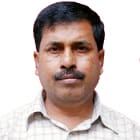
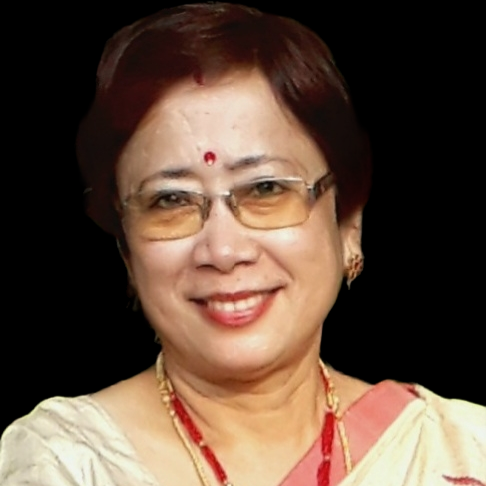
Department Faculty Members
6 Faculty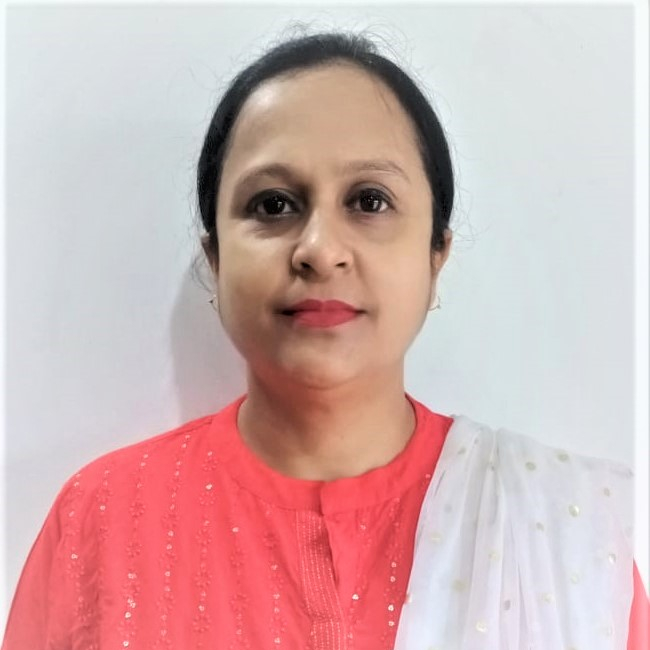
Dr. Arifa Momtaz Begum
Senior Scientist View Profile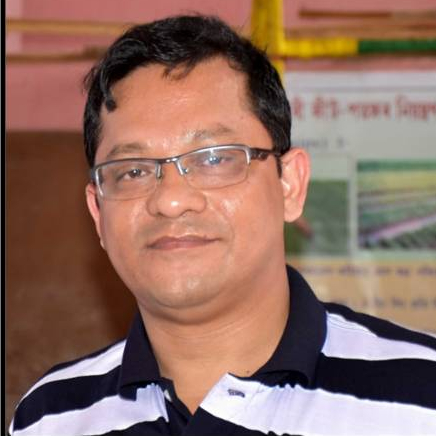
Dr. Rupjyoti Borah
Senior Scientist View Profile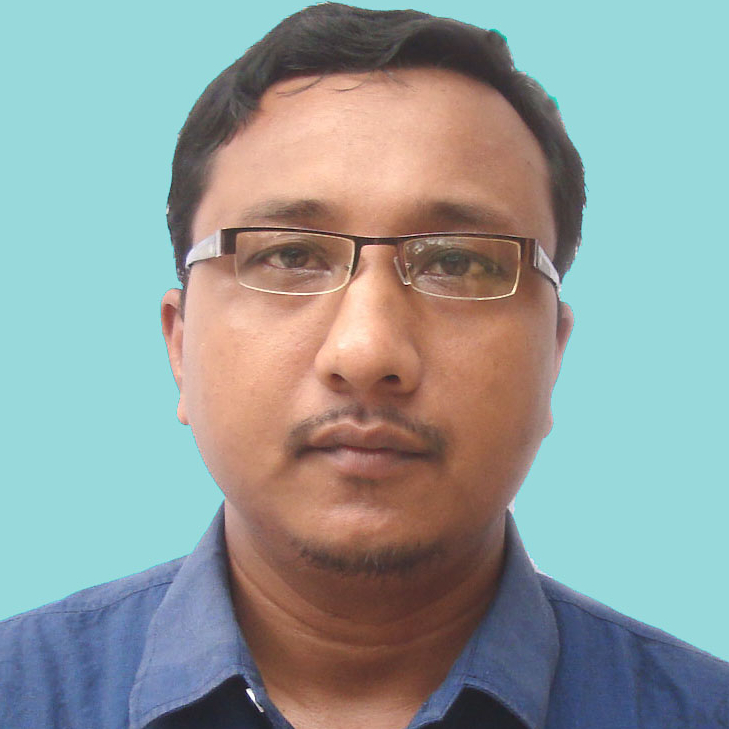
Dr. Bhrigu Kumar Neog
Scientist View ProfileAssociated Faculty
Department Achievements & Accolades
8 Records
1. Online Interface programme between Farmers’ and Scientist- Monthly interface programme between selected farmers across assam, KVK personnels, DoEE Scientist & experts has been initiated with overwarming response.August 2024 - Scientific Management of Rice on 21st August 2024 with 129 participants from 23 districtsSeptember 2024 - Scientific Cultivation of Winter Vegetables on 21st September 2024 with 120 participants across AssamOctober 2024 – Crop Management in Oilseed and Pulses on 21st September 2024 with 127 participants across AssamNovember 2024 – Improved Managemental practices for Livestock and Poultry Rearing
2. Mega Programme for Promotion of Double Cropping across 23 districts of Assam
3. ICT Enabled Village established across Assam
Rice fallow areas offer good scope for crop intensification and diversification and their proper utilization can help overcome many social and economic problems like unemployment, labour migration and low income. These areas can be utilized for cultivation of suitable pulse crops like lentil, lathyrus, field pea, rajmah, chick pea as well as oilseeds like rapeseed and mustard, niger, linseed etc. during rabi seasons after Sali rice.
Keeping these objectives a Mega Programme on “Promotion of Double Cropping in the state of Assam” is in progress, covering 23 districts of Assam. Twenty three KVKs along with seven research stations of AAU are actively involved in this massive programme. Under this 800 ha and 200 ha of land area is being undertaken by KVKs and research stations, respectively. To facilitate double cropping, a medium duration varieties like Numoli and Dholi was selected under this programme so that the rice areas become ready for the second crop early. Till date, the first crop, i.e. rice is under harvesting with a bumper crop and land preparation and sowing of the second crop, i.e Toria, Lentil, Rajmah and Linseed is in progress.
Last year one village each from 23 districts were selected as ICT enabled village where in a considerable no of farmers, Rural youth, entrepreneur are periodically advised in Agriculture and Allied areas. Hands on training on Use of Agri. Apps, Cyber Security, Mobile Banking, Use of Chat Bot, etc. were imparted.
4. Orientation workshop for newly recruited KVK personnelA three-day orientation workshop for newly recruited KVK personnels held on 24-27 March 2024, where in the newly recruited SMS, PA, FM and PA(C) were extensively trained on the KVK mandates activities, financial management and personality corelated of Socioeconomic intelligent along with an exposure visit to KVK Jorhat were organized.
5. Interface between KVK Heads and NEATEHub officialsTwo-day interface between KVK Heads and NEATEHub official was organised on 4-5th April 2024 for exploring initiatives for establishment of Incubation Centres at KVK.
6. Training on Office and Financial Management heldTwo-day training for OSA/ Assistant and JSCO of KVKs was held on 05-06 April, 2024, where in hands on training on e-file management System (eFMS), Procurement through GeM, PFMS, GFR and other tools of financial management was imparted.
7. Promotion of Livelihood Security of Scheduled Caste farmers through agriculture and allied sectors through SC-SP projectSl. No.Sub-ProjectsDistrictsNo. of units| 1 | IFS (Fishery-Piggery-Assam Lemon) | Cachar, Karimganj, Nagaon, Morigaon, Kamrup, Barpeta, Bongaigaon, Lakhimpur, Sonitpur, Jorhat | 80 |
| 2 | IFS (Fishery-Duckery-Assam Lemon) | Cachar, Karimganj, Nagaon, Morigaon, Kamrup, Barpeta, Bongaigaon, Lakhimpur, Sonitpur, Jorhat | 50 |
| 3 | Piggery Unit for Piglet Production | Cachar, Morigaon, Lakhimpur, Bongaigaon | 4 |
| 4 | Arecanut based multi-storeyed cropping system | Sonitpur, Jorhat | 10 ha |
NATIONAL MISSION ON NATURAL FARMING AT KVKS AND FARMERS’ FIELDS
Activity : Development of Model Demonstration Units
Details of demonstrations
BLOCK PLANTATION OF BAMBOO IN ASSAM
Mission for Aatmanirbharata in Pulses- 2026-27
Technological interventions under CFLD on Pulses
Details of district wise cluster villages in which demonstration is being implemented District Wise Cluster Villages - Blackgram
District Wise Cluster Villages - Greengram
District Wise Cluster Villages - Arhar
Block /Boundary plantation of bamboo in eight district completed in two phases
Entrepreneurship Development through Production of Bio-inputs
Master Trainer Programme for Setting up of Mushroom Cultivation and Packaging Unit
Radio Kisan Diwas
Training on Mental Health Counselling
Collaborative programme with Bodo Kachari Welfare Autonomous Council
Focus on Fodder Cultivation, Preservation and Utilization through IGFRI Project
Quarterly monitoring of KVK programmes conducted by KVK scientists
Activity : Development of Model Demonstration Units
| Fund allocated | No. of KVKs involved | Name of KVKs |
|---|---|---|
| 8.70 | 12 | Baksa, Cachar, Dhemaji, Dibrugarh, Golaghat, Jorhat, Kamrup, Karbi Anglong, Kokrajhar, Sivasagar, Sonitpur, Chirang |
| Sl. No. | Model Type | Location | Cropping Sequence / Crops Included | Area |
|---|---|---|---|---|
| 1 | Cereal based Natural Farming Model | At KVK | Kharif rice – Toria – Greengram/Blackgram | 650 m² |
| 2 | Cereal based Natural Farming Model | Farmers' field | Kharif rice – Toria – Greengram/Blackgram | 650 m² |
| 3 | Fruit based Natural Farming Model | At KVK | Mango, Guava, Pomegranate, Litchi, Banana, Papaya, Assam lemon, Pineapple, Bokful (Sesbania grandiflora) / Drumstick, Ginger/Turmeric | 400 m² |
| 4 | Fruit based Natural Farming Model | Farmers' field | Mango, Guava, Pomegranate, Litchi, Banana, Papaya, Assam lemon, Pineapple, Bokful (Sesbania grandiflora) / Drumstick, Ginger/Turmeric | 400 m² |
BLOCK PLANTATION OF BAMBOO IN ASSAM
Bamboo plantation in Assam is critical for economic growth, environmental sustainability; and rural livelihood support. As a fast-growing renewable resource, bamboo serves as an exceptional tool for climate mitigation due to its rapid carbon sequestration capabilities and its extensive root systems that control soil erosion along the flood-prone Brahmaputra riverbanks. Economically, the state's thriving paper, handicraft, and emerging bio-ethanol industries rely heavily on a steady supply of this” green goId.”Bamboo is rapidly emerging as a premier green building material due to its exceptional strength-to-weight ratio, which rivals mild steel, and its remarkable carbon-capturing growth rate. As global timber and concrete shortages persist, bamboo provides a highly renewable, low-cost structural alternative for residential and commercial construction.Expanding organized bamboo plantations empowers indigenous communities and rural farmers by generating sustainable income, promoting green entrepreneurship, and replacing single-use plastics with eco-friendly alternatives. By scaling up bamboo cultivation, Assam can protect its rich biodiversity while building a resilient, bio-based economy.During the last few years, Assam Agricultural University, with financial assistance from Assam State Bamboo Mission has developed nine bamboo nurseries producing QPM in addition to block/boundary plantation in 100 ha of land in the districts of Tinsukia, Sivasagar, Jorhat, Nagaon, Sonitpur, Morigaon, Chirang and Udalguri. Building on this success, the proposed bamboo plantation program aims to transition bamboo cultivation from traditional forest foraging to structured, high-yield agroforestry.
Area under plantation : 50 HaDistrict wise Bamboo Plantation area| Sl. No. | District | Area (ha) | No. of participating farmers |
|---|---|---|---|
| 1 | Bongaigaon | 1 | 1 |
| 2 | Cachar | 5 | 17 |
| 3 | Chirang | 3 | 18 |
| 4 | Dhubri | 3.25 | 37 |
| 5 | Golaghat | 4.04 | 20 |
| 6 | Karbi Anglong | 10 | 18 |
| 7 | Morigaon | 4 | 29 |
| 8 | Sivasagar | 5 | 37 |
| 9 | Sonitpur | 4 | 14 |
| 10 | Tinsukia | 5 | 19 |
| 11 | Udalguri | 5.8 | 16 |
| Total | 50.09 | 226 |
Mission for Aatmanirbharata in Pulses- 2026-27
The Government of India has sanctioned a new mission namely "Mission for Aatmanirbharta in Pulses" as a Centrally Sponsored Scheme with a special focus on Tur, Urad and Lentil. One of the interventions for increasing the pulse production in Assam under the Mission is Cluster Front Line Demonstrations (CFLDs). CFLDs are a unique approach to provide a direct interface between researchers and farmers as the scientists are directly involved in planning, execution and monitoring of the demonstrations for the technologies developed by them and get direct feedback from the farmers. The objectives of CFLD are mentioned as follows:• To demonstrate improved crop production technologies of pulses on the farmers’ fields• To popularize the newly notified and improved varieties/technologies for varietal diversification and efficient management of resources• To bring synergy among planners, researchers, farmers and industry for parable interface through seminars/symposium on emerging themes of importance in the field of pulses production for deciding strategies for development of pulsesCrops identified: The following crops has been identified for implementing the CFLD programme. However, summer pulse programme may also be conducted under this proposal.Kharif Pulses : Blackgram, greengram and arharRabi pulses : Lentil, Pea and Gram
KVK Wise Focus CropsTable 1. KVK-wise focus crops for CFLD under Mission for Aatmanirbharata in Pulses, 2026-27| Sl. No | Name of Crop | Name of KVK |
|---|---|---|
| 01 | Tur (Arhar) | Baksa, Barpeta, Bongaigaon, Darrang, Kamrup, Karbi Anglong, Kokrajhar, Nagaon, Sonitpur |
| 02 | Urad (Black Gram) | Baksa, Barpeta, Bongaigaon, Cachar, Chirang, Darrang, Dhemaji, Dhubri, Golaghat, Jorhat, Karbi Anglong, Lakhimpur, Sonitpur |
| 03 | Lentil | Baksa, Bongaigaon, Darrang, Dhubri, Kamrup, Karbi Anglong, Kokrajhar, Lakhimpur, Morigaon, Nagaon, Nalbari, Sonitpur |
| 04 | Greengram | Baksa, Barpeta, Bongaigaon, Darrang, Dhubri, Dibrugarh, Golaghat, Jorhat, Kamrup, Karbi Anglong, Lakhimpur, Morigaon, Nagaon, Nalbari, Sonitpur, Tinsukia |
| 05 | Field Pea | Baksa, Barpeta, Bongaigaon, Darrang, Dhemaji, Dibrugarh, Golaghat, Jorhat, Kamrup, Karbi Anglong, Lakhimpur, Morigaon, Nagaon, Nalbari, Sonitpur, Tinsukia |
| 06 | Gram (Chickpea) | Baksa, Karbi Anglong |
• Seed treatment: with fungicide, insecticide, or a combination of both, to seeds so as to disinfect and disinfect them from seed-borne or soil-borne pathogenic organisms and storage insects. • Integrated Nutrient Management (INM): INM includes application of N, P, K along with micronutrients like Sulphur, Zinc and bio-fertilizers like Phosphorous and Zinc Solubilizing Bacteria, Potassium Mobilizing Bacteria, N-fixing bacteria etc. In CFLD Pulses, this approach is followed with application of soil test based fertilizers, soil and foliar application of micro nutrients like Boron and Zinc and incorporation of different bio-fertiliser in soil.• Nutrient management of utera crop after harvest of rice: NPK @ 5:13:15 kg/haIntegrated Pest and disease Management: A. Diseases:a) Leaf spot (Cercospora spp.): Spray copper oxychloride @ 3 g/litre of water at an interval of 7-10 days. Alternatively, Tebuconazole 25 EC @ 1 ml/ litre of water.b) Web Blight (Rhizoctonia solani): Spray tebuconazole 25 EC @ 1 ml/liters of water three times starting from the appearance of the disease at 10 - 15 days interval.B. Insect Pests:a. Against all the insects such as aphids, jassids, flea beetle, pod borers, pod bug sand leaf folder, spray chlorantraniliprole 18.5 SC @ 0.3 ml per litre of water.b) The spread of yellow mosaic virus (YVM) can be checked by controlling white fly(Bemisia tobacci) by applying thaimethoxam 25 WG @ 0.3g/lc. Nematode:For control of nematode Meloidogyne incognita, seed soaking with carbosulfan 25EC @ 0.01% for 6 hrs should be done.d. Protection against Storage Pests:Properly dried black gram seeds should be mixed thoroughly with black pepper seed powder @ 3 g/kg of seed, against bruchid infestation during storage. Treated seeds should be kept in poly bags with outer covering of gunny bags.(For proper management practices, the PoP, 2023 of respective crops should be followed)
The district wise details of the programme is given in the following Table CFLD Demonstrations under Pulses Mission For 2026–27| Sl. No. | Crops | Variety | No. of KVKs | No. of Demonstrations | Area covered (ha) | Status |
|---|---|---|---|---|---|---|
| 1 | Blackgram | SBC 40 | 17 | 43 | 680 | Sowing complete |
| 2 | Greengram | SGC 16 | 16 | 40 | 370 | Sowing complete |
| 3 | Arhar | IPA 15-2 | 07 | 18 | 52 | Sowing complete |
| 4 | Lentil | IPL 220 | 14 | 35 | 489 | Site selection, seed procurement done |
| 5 | Field Pea | HFP 715 | 18 | 45 | 207 | Site selection, seed procurement done |
| 6 | Gram | GNG 2207 | 02 | 5 | 25 | Site selection, seed procurement done |
| Sl. no. | Name of KVK | Variety | Area (ha) | Name of the clusters / villages | No. of beneficiaries |
|---|---|---|---|---|---|
| 1 | Baksa | SBC 40 | 5 | Ladanguri, Ladanguri pathar, Madhapur, oxiguri gaon | 13 |
| 2 | Barpeta | SBC 40 | 30 | Silichi pathar, Sawravita, Moravaz, Fulbari, Goma, Harapul | 64 |
| 3 | Bongaigaon | SBC 40 | 20 | Ghilaguri, Nowapara, Korea, Chatpara, Bhatipara N. C, Amguri, Ambari, Amguri, Popragaon, Bhandara | 67 |
| 4 | Cachar | SBC-40 | 30 | Salchapra grant, Jagadishpur, Gunirgram pt-1, Bhangarpar pt-iv, Doyapur, Badripur, Berenga pt-iv, Bhajantipur pt-iv, Japir bond, Buribail, Manikpur | 104 |
| 5 | Chirang | SBC-40 | 30 | No 1 Dhaladanda, Faraysali, Chapaguri, 2 no Dakhin Makra, Dababil, Udalguri, Laoripara, No 1 Bishnupur, No 1 Dharranga | 112 |
| 6 | Darrang | SBC40 | 40 | Monitari, Choto Nagaon, Borthekerabari, Chereng Chapari, Patal Singpara, Mowamari | 100 |
| 7 | Dhemaji | — | 40 | Komonselek, Misamara, Latarchuk, Tekjuri | 100 |
| 8 | Dhubri | SBC 40 | 60 | Simlabari, Boyzer Alga Pt 9, Chirakhowa Pt 6, Gutipara, Bakuabhangi, Gaurangatari & Jhaskal | 150 |
| 9 | Golaghat | SBC 40 | 55 | Affala, Tinsuki Chapori | 138 |
| 10 | Jorhat | SBC-40 | 45 | Bhakat chapori, Rajabari, Jengraimukh, Balichapori, Sonariati, Neul Gaon, Jhanjimukh | 117 |
| 11 | Kamrup | SBC40 | 20 | Abyapuri pam, Kndhrimari, Bansar | 50 |
| 12 | Karbi Anglong | SBC 40 | 100 | Amlokhi, Hojaipur, Dokmoka, Kachupukhuri, Borlangpher, Jorlep Teron Gaon, Komola Bagan, Nailalung, Sarihajan, Balipathar, Dhansiri, Misibailam, Manja, Khakhao Basti, Rajapathar, Koilamati | 250 |
| 13 | Lakhimpur | SBC-40 | 30 | Merbil, Ujani Khamti, Dhekiajuli, Phulbari, Kamalpur, Ranabari, Chukulibhoria, Junubasti, Sagolikota, Gowalbari, Solmari, Hokachapori, Ajarguri | 75 |
| 14 | Nalbari | SBC 40 | 100 | Chungarbari, Lawpara, Galdighla, Adabari, Tantra Sankara, Sutarkuchi, Burlitpar, Loharkatha, Sapkata, Kandhbari, SatemariMeruattary, Mukalmua, Bhangnamari, howlighatJaysagarAkhia, Damdama, rampur, TegheriattaryChengnoi | 250 |
| 15 | Sonitpur | SBC 40 | 55 | Pithakhowa, Bihaguri, Borchalla, Bakola, Jahamari, Naharbari, Bandarmari | 174 |
| 16 | Sribhumi | SBC 40 | 10 | RK Nagar, Kujab, Lowaipoa, Badarpur, Chaitanyanagar, Malegarh, Bhairab Nagar, Nilambazar, Patharkandi | 50 |
| 17 | Tinsukia | SBC 40 | 10 | Margherita, Saikhowa, Sadiya, Doomdooma, Itakhuli | 25 |
| Sl. no. | Name of KVK | Variety | Area (ha) | Name of the clusters / villages | No. of beneficiaries |
|---|---|---|---|---|---|
| 1 | Baksa | SGC 16 | 20 | Nikashi, Jartaluk, Gorbhitor, oxiguri gaon, Narayanpur, borshimlaguri, Nathkuchi, jartaluk, bhutankhuti | 50 |
| 2 | Barpeta | SGC 16 | 5 | Silichi Pathar, Sawwravita | 7 |
| 3 | Bongaigaon | SGC 16 | 5 | Nowapara, Popragaon | 18 |
| 4 | Darrang | SGC-16 | 10 | Muwamari, Cherengchapori, Bandia | 25 |
| 5 | Dhubri | SGC 16 | 30 | Noonmati Pt. 2, Kismat Hasdaha Pt 2, Gutipara Pt 5 & Jhaskal | 75 |
| 6 | Dibrugarh | SGC 16 | 10 | Ahom Nagar, Kawoimari, Bharalibari kalita gaon, Kacharipather | 27 |
| 7 | Golaghat | SGC-16 | 35 | Affala, Tinsuki Chapori | 88 |
| 8 | Jorhat | SGC-16 | 20 | Bhakat chapori, Balichapori, Sonariati, Gual Gaon | 52 |
| 9 | Kamrup | SGC 16 | 20 | Simna | 50 |
| 10 | Karbi Anglong | SGC 16 | 10 | Bokolia, Daldali, Amlokhi, Dokmoka | 25 |
| 11 | Lakhimpur | — | 20 | Katorichapori, Lalpani, Balijan, Hindumajgaon, Boikunthapur, Goroimari, Thowthuwani, Badhakora, Jaradhora, Gumnadi, Ajarguri | 50 |
| 12 | Morigaon | SGC 16 | 10 | Boramaripam, Bhurbandha | 46 |
| 13 | Nagaon | SGC-16 | 30 | Jalah, senchowa, Barkacharigaon, Utarpetboha, Dhemajigaon | 75 |
| 14 | Nalbari | SGC16 | 100 | Chungarbari, Lawpara, Galdighla, Adabari, Tantra Sankara, Sutarkuchi, Burlitpar, Loharkatha, Sapkata, Kandhbari, SatemariMeruattary, Mukalmua, Bhangnamari, howlighatJaysagarAkhia, Damdama, rampur, TegheriattaryChengnoi | 250 |
| 15 | Sonitpur | SGC 16 | 20 | Pithakhowa, Dholapadung, Naharbari, Rangamati, Singri Bengali | 81 |
| 16 | Tinsukia | SGC 16 | 5 | Margherita, Sadiya, Doomdooma, itakhuli | 16 |
| Sl. no. | Name of KVK | Variety | Target Area (ha) | Achieved area (ha) | Name of the clusters / villages | No. of beneficiaries |
|---|---|---|---|---|---|---|
| 1 | Baksa | Godavari/ ICPL 87091 | 10 | 3 | Ladanguri, oxiguri gaon, Madaltana, Nikashi, Gormara, bhutankhuti | 10 |
| 3 | Bongaigaon | Godavari/ ICPL 87091 | 5 | 3 | Nowapara, Dompara, Korea, Chatpara | 16 |
| 6 | Darrang | IPA 15-2 | 7 | 2.5 | Chaolkhuwa | 10 |
| 13 | Karbi Anglong | Godavari, IPA 15-2 | 10 | 6.6 | Kachupukhuri, Uttar Borbill, Dokmoka, Amlokhi, Bokolia, Borlangpher | 16 |
| 14 | Kokrajhar | IPA 15-2 | 2 | 1.13 | Koklingbari | 3 |
| 19 | Sonitpur | IPA 15-2 | 4 | 3 | Cheunichuk, Napam | — |
Block /Boundary plantation of bamboo in eight district completed in two phases
The programme, funded by Assam State Bamboo Mission aims at planting of bamboo in Block and/or boundary of farmers’ fields with a view to promote agro-forestry, support cottage industries apart from bamboo’s potential to combat climate change. Block/Boundary plantation of bamboo was conducted in eight districts in two phases (28.5 ha in Phase I and 71.5 ha in Phase II). The districts involved were Tinsukia, Sivasagar, Jorhat, Nagaon, Sonitpur, Udalguri, Morigaon and Cachar. Focus was given to those areas which are vulnerable to flood and erosion. Awareness camps and training programmes were also organized to emphasize the importance of bamboo in erosion control and its potential to combat climate change through carbon sequestration.
Entrepreneurship Development through Production of Bio-inputs
A five day training programme, sponsored by Extension Education Institute, AAU on the above subject was organized involving 30 entrepreneurs involved in the production of Bio-Inputs from across NE India w.e.f. 18th to 22nd January, 2024. The training focused on production, use and marketing of bio-inputs in the farms and include production of vermicompost, enriched compost, biopesticides. The training also focused on creating a network of entrepreneurs of the region.
Master Trainer Programme for Setting up of Mushroom Cultivation and Packaging Unit
A training for Master Trainers was held on 08th March, 2024 with an initiative of Setting up of Mushroom Cultivation and Packaging unit was organized in collaboration with Krishtir Kothia, NGO. The progrtamme was sponsored by ONGC under its CSR Programme.
Radio Kisan Diwas
Since decades, Radio has proved to be an effective tool in dissemination of agricultural technology to the farming community. To mark this, a Radio Kisan Diwas was organized on 15th January 2024 involving Farmers, Rural Youth and Entrepreneurs. The programme was organized buy All India Radio, Jorhat in collaboration with the Directorate of Extension Education, AAU, Jorhat and the tota number of participants was 40.
Training on Mental Health Counselling
A 21 days training programme from 4th to 26th April, 2024 on Mental Health Counselling in the online mode was participated by 21 Extension personnel under this Directorate. The programme was organized by Centre of Social Change, Noida.
Collaborative programme with Bodo Kachari Welfare Autonomous Council
As per MoU with BKWAC, a two day hands on training programme was organized successfully from 04-05th July, 2024 to selected master trainers of Burhabhokot, Jaljali, Ghorapar, Halikuchi, Sisupani and Uriamghat. These master trainers will train fellow farmers and rural youth and start mushroom production in those areas.
Focus on Fodder Cultivation, Preservation and Utilization through IGFRI Project
A Refresher Training programme to Scientists was held under the sponsorship from the project funded by ICAR-IGFRI, Jhansi, wherein 19 SMS, Programme Assistants and Farm Managers actively took part. Focus on establishment of fodder cafeteria in KVK, poularization of fodder species through distribution and cultivation of fodder planting material was emphasized during the programme. Accordingly fodder cafeteria were established in the project implementation districts. Another training was also organized for the farmers and entrepreneurs on 26.09.2024 on the same subject. These farmers will act as master trainers for training of fellow farmers, rural youth and farm women in this initiative of fodder popularization.
Quarterly monitoring of KVK programmes conducted by KVK scientists
A quarterly monitoring visit of the KVK scientists was done by DoEE scientists to KVKs. Two groups were assigned different KVKs to visit. Dr. Rupjyoti Borah and Dr. Bhrigu Neog visited Karbi Anglong, Nagaon, Sonitpur, Barpeta, Chirang, Kokrajhar, Dhubri and Bongaigaon KVKs in the month of September. The scientists visited the demonstration sites, office farms, project sites, interacted with farmers & scientists and extended suggestions for improvement, wherever required.
- Vikshit Krishi Sankalp Abhiyaan 2025
The VKSA programme was successfully conducted by the KVKs of Assam at each district level in coordination with state departments of Agriculture, Horticulture, Fishery and Veterinary from 29th May to 12th June, 2025 with the following specific objectives. •To create awareness among farmers about improved agricultural technologies. •To make aware farmers about various government schemes and policies on agricultural development. •To mobilize the scientific fraternity to have reciprocal learning with farmers and to document grassroots insights for strengthening agricultural research. •To understand local-level needs and gather farmer feedback on improved technologies.
Viksit Krishi Sankalp Abhyan (VKSA) has been targeted to reach and covered maximum number of farmers in the country so as to create awareness among farmers about improved agricultural technologies,government schemes and policies on agricultural development, and to understand local-level needs of the farming fraternity.Sl.No Particulars Assam 1 No. of Teams Visited the Villages 606 2 No. of programs Covered 1338 3 Average no. of participants per program 338 4 No. of Villages Covered 8794 5 No. of Participants 452700 - • Within 2 years of notification, Submergence tolerant rice varieties Ranjit Sub-1 and Bahadur Sub 1 have spread in an estimated area of about 2 lakh ha with a productivity of about 40 q/ha
- • Spread of new Medium duration varieties like Shraboni, Numoli and mustard and toria varieties like TS 36, TS 38, TS 46, TS 67, NRCHB 101 contributed to spectacular increase in double cropped area.
- • New Poultry breeds like Kalinga Brown, Vanaraja, Rainbow Rooster, Kamrupa, BV-300 & 380, Duck breeds like Khaki Campbell an White Pekin, Sara Chemballi, Turkey, Cross Bred Beetal Goat and Pig Breeds like HDK-75, Hampshire and Yorkshire etc. have spread very extensively throughout the state
- • Significant increase in the production of bioinputs in agriculture, particularly vermicompost
- • Production and dissemination of quality seed of crops and livestock and planting materials : enhanced farmers’ access to improved varieties and quality seeds
- • New Fruit crops like Dragon Fruit, Strawberry and Apple ber have been introduced and popularized throughout the state
- • Altogether 18 FPO/FPC are being mentored by the KVKs as local CBBO (part of AAU as CBBO). Besides, AAU has entered into MoU with 34 different FPOs/FPCs being promoted by APART for providing technical support by the KVKs. Besides 25 nos. of new FPOs have been established with financial support of NABARD. In addition, the KVKs also helped several other FPCs/FPOs for their registration and management.
- Programme in connection with Bhasa Gaurav Week organized
Celebrated Bhasa Gaurav Week in our Directorate on 6th November, 24, wherein number of scientists and employees took part and presented poetry, short stories, shared experiences while working with various communities and performed cultural programmes highlighting our Assamese language. The programme started with Bia naam recital of Aroti Nath and Manjula Baruah, followed by delivery of a para of a novel of Anuradha Sarma Pujari and recited poetry of Smritirekha Bhuyan by Dr. Rupjyoti Borah, a poetry recital by Jiten Das, short story by Dr. M.K. Chouhan and first-hand portrayal of Mising Culture by Dr. Arifa M. Begum. Dr. M. Neog, Director of Extension Education also recited a poetry composition of Dr. K.N. Das.
- NABARD sponsored collaborative training on Apiculture held
A collaborative training of 3 days duration on Apiculture was organized from 18th to 20th September, 2024 at DoEE and Department of Entomology. The training was jointly organized by Rupjyoti Sangha and DoEE, coordinated by Senior Scientist Dr. Rupjyoti Borah. Dr. Mukul Deka, Professor and Dr. PG. Das, Junior Scientist, AICRP on Honey Bee and Pollinators acted as resource persons. The participants were also led to C.K. Udyog, wherein Mr. Leelacharan Dutta, Entrepreneur and Proprietor, C.K. Udyog elaborated on various value-added product manufacture and marketing aspects. 25 participants including 12 women participated in the programme. These participants will act as master trainers in the Upcoming Honey Bee Village in Kokila, Dakshinpara.
- Training on Urban Agriculture imparted to Civil Society
In its continued commitment to extend agricultural Technology to the society, the Directorate of Extension Education organized a one day training programme on Urban Agriculture in collaboration with Progoti Sangha, Choladhara, Jorhat. Dr. Bikash Hazarika, Dr. Kankana Deka and Dr. Rupjyoti Borah acted as resource persons in the training. The aspects covered were nursery raising of rabi vegetables, Kitchen gardening, Care and management of potted plants, hydroponics and compost preparation from household waste etc. Thirty participants including 26 women participated in the training programme held in the Horticultural Orchard, AAU.
- Workshop on Vermicomposting at Borholla College
Dr. Rupjyoti Borah, Assoc. Prof., Directorate of Extension Education attended a day long workshop on Vermicomposting organized by ASTEC in collaboration with Eco-Club, Borholla College at Borholla College on 14.06.2024. The day-long programme was attended by 150 students from nine High and Higher Secondary schools of Borholla and nearby areas. During the programme, Dr. Borah emphasized the importance of Mission Life and how we can integrate ourselves to be a part of it. He elaborately discussed about ways of efficient recycling of agricultural wastes and converting it to vermicompost. The students actively participated in the demonstration programme that followed.
Training Programmes (Data for 5 years from 2019-20 to 2023-24.)
| Sl. No. | Programme Type | Number of Programmes | Number of Participants |
|---|---|---|---|
| 1 | Training for Farmers/Farm Women/ Rural Youth/EF | 6084 | 155267 |
| 2 | Sponsored Training | 881 | 27292 |
| 3 | Vocational Training | 425 | 10058 |
| 4 | Awareness Programmes | 1051 | 55580 |
| Total: | 8441 | 248197 | |
On Farm Trials (Data for 5 years from 2019-20 to 2023-24.)
| Year | Number of Programmes | Number of Beneficiaries |
|---|---|---|
| 2019-20 | 364 | 1282 |
| 2020-21 | 291 | 1201 |
| 2021-22 | 308 | 1189 |
| 2022-23 | 343 | 1183 |
| 2023-24 | 307 | 1436 |
| Total: | 1613 | 6291 |
On Farm Trials- No. of Technologies Assessed (since inception)
| Sl.No. | Thematic area/Technology | No. of Technologies Assessed |
|---|---|---|
| 1 | Varietal evaluation | 641 |
| 2 | Crop production and management | 388 |
| 3 | Nutrient management | 432 |
| 4 | Plant Protection | 315 |
| 5 | Post Harvest Management | 65 |
| 6 | Farm Mechanization | 3 |
| 7 | Livestock and Fishery | 362 |
| 8 | Others including Community Science, Social Science and other enterprises | 152 |
| Total: | 2358 | |
Front Line Demonstration (Data for 5 years from 2019-20 to 2023-24)
| Commodity | Number of demonstration | Area covered (Ha) | Number of participants |
|---|---|---|---|
| Cereals | 6054 | 2504.93 | 6422 |
| Oilseeds | 13779 | 6815.20 | 16708 |
| Pulses | 9131 | 4167.50 | 12048 |
| Horticultural Crops | 7325 | 613.00 | 8216 |
| Livestock | 4707 | - | 4968 |
| Others | 4443 | 595.80 | 5579 |
| Total: | 45439 | 14696.40 | 53941 |
Technological commodity production through KVKs
(Data for 5 years from 2019-20 to 2023-24)
| Technological Products | Quantity produced | Value of the quantity produced (₹) |
|---|---|---|
| Seed material (q) | 9,322.82 | 1,86,15,509 |
| Planting material (nos.) | 34,29,883 | 1,32,14,485 |
| Bio-inputs (q) | 7,870.58 | 1,12,64,332 |
| Livestock (nos.) | 33,187 | 56,26,576 |
| Fingerling (nos.) | 91,83,213 | 14,15,946 |
Activities under Natural Farming Outscaling Project
| Sl. No. | Activity | No. of progammes | No. of participants |
|---|---|---|---|
| A. For KVK personnel | |||
| 1. | Training programme on Natural Farming for SMSs | 1 | 23 |
| 2. | Zonal Action Plan Workshop on Natural Farming for SMSs | 1 | 23 |
| 3. | National Workshop on Natural Farming for SMSs | 2 | 16 |
| 4. | Review Meeting of KVK Heads on Natural Farming | 2 | 46 |
| Sub-total: | 6 | 102 | |
| B. Farmers/other stakeholders | |||
| 1. | Awareness programmes | 215 | 11520 |
| 2. | Training programmes | 76 | 2835 |
| 3. | Demonstrations | 86 | 1302 |
| 4. | Exhibitions | 3 | - |
| 5. | Method Demonstration | 66 | 660 |
| 6. | KVK Farm Demonstrations | 69 | - |
| Sub-total: | 515 | 16317 | |
| Total: | 521 | 16425 | |
Training Programmes
| Sl. No. | Date | Title of the Training Programme | Organised By | Training For | No. of Programmes | No. of Participants | No. of KVKs Involved |
|---|---|---|---|---|---|---|---|
| 1 | 04-05 April 2024 | 2 Day interface programme between KVK Heads and NEATEHUB Officials | DoEE, AAU | Scientists of AAU, KVK Heads & SMSs, Staff | 1 | 24 | 23 |
| 2 | 05-06 April 2024 | 2 Day training for OSA/ Assistant on Office Financial Management | DoEE | OSA & JSCO of KVKs and DoEE Staff | 1 | 33 | 23 |
| 3 | 07 May 2024 | Vermicomposting and Application of vermicompost for sustaining soil health | BAHONA COLLEGE | Students of Jorhat district | 1 | 92 | 1 |
| 4 | 03 July 2024 | Drone application in Agriculture | DoEE, AAU | Farmers of different districts of Assam | 1 | 34 | - |
| 5 | 04-05 July 2024 | Training programme on Processing and Preservation of fruits and vegetables | BKWAC | Farmers | 1 | 20 | - |
| 6 | 08-09 August 2024 | Training on Recent Advances in Fodder Cultivation, Preservation and Utilization | DoEE | SMS of KVKs | 1 | 20 | 20 |
| 7 | 06-07 September 2024 | Training on Scientific Cultivation of Mushroom in collaboration with AICRP on Mushroom | DoEE | Farmers | 1 | 34 | - |
| 8 | 18-20 September 2024 | Scientific Apiculture | DoEE | Farmers | 1 | 25 | - |
| 9 | 24 September 2024 | Training programme for Pragati Samaj Society on Urban Agriculture | DoEE | Farmers | 1 | 30 | - |
| 10 | 26 September 2024 | Training on Recent Advances in Fodder Cultivation, Preservation and Utilization | DoEE | Farmers/Entrepreneurs | 1 | 20 | - |
| 11 | 06 November 2024 | Bhakhha Gourav Saptah ভাষা গৌৰৱ সপ্তাহ | DoEE | Staff of DoEE | 1 | 25 | - |
| 12 | 26 November 2024 | Sanvidhan Divas সংবিধান দিৱস | DoEE | Staff of DoEE | 1 | 24 | - |
| 13 | 05 December 2024 | World Soil Day | DoEE | Staff of DoEE | 1 | 25 | - |
| 14 | 25 December 2024 | Training programme for Civil Society on production of Organic Inputs | DoEE | Farmers | 1 | 36 | - |
| 15 | 29 January 2025 | Training programme for master trainers on Mushroom cultivation | DoEE | Farmers/Entrepreneurs | 1 | 11 | - |
| 16 | 01 February 2025 | Capacity building training programme for NGO officials involved in Tribal Development Project (NABARD) | DoEE | Farmers/Entrepreneurs | 1 | 30 | - |
| 17 | 10 February 2025 | Commercial Cultivation of Fruits and Vegetables | DoEE | Farmers | 1 | 18 | 1 |
| 18 | 11 & 12 March 2024 | HRD training on Urban Horticulture | DoEE | SMS & PA of Horticulture discipline | 1 | 28 | 23 |
| 19 | 12 & 13 March 2025 | HRD training on Crop Management with Special Reference to Resource Conservation Technology | DoEE | SMS & PA of Crop management discipline | 1 | 20 | 20 |
| 20 | 17 & 18 March 2025 | HRD training on Land Management practices for Achieving Land Degradation Neutrality | DoEE | SMS & PA of Soil Science discipline | 1 | 19 | 19 |
| 21 | 12 & 13 March 2025 | HRD training on Recent Advances in Livestock and Fisheries Science | DoEE | SMS & PA of Animal Science & Fisheries Science discipline | 1 | 31 | 23 |
| 22 | 18 March 2025 | HRD training for SMS (P. Protection) | DoEE | SMS & PA of Plant Protection discipline | 1 | 18 | 18 |
| 23 | 22 March 2024 | HRD training for OSA & JSCO | DoEE | OSA & JSCO | 1 | 46 | 23 |
Workshops/Seminars
| Sl. No. | Date | Title of the Programme | Organised By | Participants | No. of Programmes | No. of Participants | No. of KVKs Involved |
|---|---|---|---|---|---|---|---|
| 1 | 13/05/2024 | Workshop on “Annual Action Plan” | DoEE, AAU, Jorhat | Scientists of AAU, KVK Heads & SMSs, Staff | 1 | 32 | 23 |
| 2 | 03/06/2024 | Workshop on Setting up of Agri Entrepreneurship facilitation | NEATEHUB | Scientists & SMS of AAU, KVK | 1 | 10 | 10 |
| 3 | 20/11/2024 | - | - | - |
Exhibitions
| Sl. No. | Date | Name |
|---|---|---|
| 1 | January 04-06, 2025 | Regional Agriculture Fair 2025 |
Mission for Aatmanirbharata in Pulses- 2026-27
Technological interventions under CFLD on Pulses
Details of district wise cluster villages in which demonstration is being implemented District Wise Cluster Villages - Blackgram
District Wise Cluster Villages - Greengram
District Wise Cluster Villages - Arhar
The Government of India has sanctioned a new mission namely "Mission for Aatmanirbharta in Pulses" as a Centrally Sponsored Scheme with a special focus on Tur, Urad and Lentil. One of the interventions for increasing the pulse production in Assam under the Mission is Cluster Front Line Demonstrations (CFLDs). CFLDs are a unique approach to provide a direct interface between researchers and farmers as the scientists are directly involved in planning, execution and monitoring of the demonstrations for the technologies developed by them and get direct feedback from the farmers. The objectives of CFLD are mentioned as follows:• To demonstrate improved crop production technologies of pulses on the farmers’ fields• To popularize the newly notified and improved varieties/technologies for varietal diversification and efficient management of resources• To bring synergy among planners, researchers, farmers and industry for parable interface through seminars/symposium on emerging themes of importance in the field of pulses production for deciding strategies for development of pulsesCrops identified: The following crops has been identified for implementing the CFLD programme. However, summer pulse programme may also be conducted under this proposal.Kharif Pulses : Blackgram, greengram and arharRabi pulses : Lentil, Pea and Gram
KVK Wise Focus CropsTable 1. KVK-wise focus crops for CFLD under Mission for Aatmanirbharata in Pulses, 2026-27| Sl. No | Name of Crop | Name of KVK |
|---|---|---|
| 01 | Tur (Arhar) | Baksa, Barpeta, Bongaigaon, Darrang, Kamrup, Karbi Anglong, Kokrajhar, Nagaon, Sonitpur |
| 02 | Urad (Black Gram) | Baksa, Barpeta, Bongaigaon, Cachar, Chirang, Darrang, Dhemaji, Dhubri, Golaghat, Jorhat, Karbi Anglong, Lakhimpur, Sonitpur |
| 03 | Lentil | Baksa, Bongaigaon, Darrang, Dhubri, Kamrup, Karbi Anglong, Kokrajhar, Lakhimpur, Morigaon, Nagaon, Nalbari, Sonitpur |
| 04 | Greengram | Baksa, Barpeta, Bongaigaon, Darrang, Dhubri, Dibrugarh, Golaghat, Jorhat, Kamrup, Karbi Anglong, Lakhimpur, Morigaon, Nagaon, Nalbari, Sonitpur, Tinsukia |
| 05 | Field Pea | Baksa, Barpeta, Bongaigaon, Darrang, Dhemaji, Dibrugarh, Golaghat, Jorhat, Kamrup, Karbi Anglong, Lakhimpur, Morigaon, Nagaon, Nalbari, Sonitpur, Tinsukia |
| 06 | Gram (Chickpea) | Baksa, Karbi Anglong |
• Seed treatment: with fungicide, insecticide, or a combination of both, to seeds so as to disinfect and disinfect them from seed-borne or soil-borne pathogenic organisms and storage insects. • Integrated Nutrient Management (INM): INM includes application of N, P, K along with micronutrients like Sulphur, Zinc and bio-fertilizers like Phosphorous and Zinc Solubilizing Bacteria, Potassium Mobilizing Bacteria, N-fixing bacteria etc. In CFLD Pulses, this approach is followed with application of soil test based fertilizers, soil and foliar application of micro nutrients like Boron and Zinc and incorporation of different bio-fertiliser in soil.• Nutrient management of utera crop after harvest of rice: NPK @ 5:13:15 kg/haIntegrated Pest and disease Management: A. Diseases:a) Leaf spot (Cercospora spp.): Spray copper oxychloride @ 3 g/litre of water at an interval of 7-10 days. Alternatively, Tebuconazole 25 EC @ 1 ml/ litre of water.b) Web Blight (Rhizoctonia solani): Spray tebuconazole 25 EC @ 1 ml/liters of water three times starting from the appearance of the disease at 10 - 15 days interval.B. Insect Pests:a. Against all the insects such as aphids, jassids, flea beetle, pod borers, pod bug sand leaf folder, spray chlorantraniliprole 18.5 SC @ 0.3 ml per litre of water.b) The spread of yellow mosaic virus (YVM) can be checked by controlling white fly(Bemisia tobacci) by applying thaimethoxam 25 WG @ 0.3g/lc. Nematode:For control of nematode Meloidogyne incognita, seed soaking with carbosulfan 25EC @ 0.01% for 6 hrs should be done.d. Protection against Storage Pests:Properly dried black gram seeds should be mixed thoroughly with black pepper seed powder @ 3 g/kg of seed, against bruchid infestation during storage. Treated seeds should be kept in poly bags with outer covering of gunny bags.(For proper management practices, the PoP, 2023 of respective crops should be followed)
The district wise details of the programme is given in the following Table CFLD Demonstrations under Pulses Mission For 2026–27| Sl. No. | Crops | Variety | No. of KVKs | No. of Demonstrations | Area covered (ha) | Status |
|---|---|---|---|---|---|---|
| 1 | Blackgram | SBC 40 | 17 | 43 | 680 | Sowing complete |
| 2 | Greengram | SGC 16 | 16 | 40 | 370 | Sowing complete |
| 3 | Arhar | IPA 15-2 | 07 | 18 | 52 | Sowing complete |
| 4 | Lentil | IPL 220 | 14 | 35 | 489 | Site selection, seed procurement done |
| 5 | Field Pea | HFP 715 | 18 | 45 | 207 | Site selection, seed procurement done |
| 6 | Gram | GNG 2207 | 02 | 5 | 25 | Site selection, seed procurement done |
| Sl. no. | Name of KVK | Variety | Area (ha) | Name of the clusters / villages | No. of beneficiaries |
|---|---|---|---|---|---|
| 1 | Baksa | SBC 40 | 5 | Ladanguri, Ladanguri pathar, Madhapur, oxiguri gaon | 13 |
| 2 | Barpeta | SBC 40 | 30 | Silichi pathar, Sawravita, Moravaz, Fulbari, Goma, Harapul | 64 |
| 3 | Bongaigaon | SBC 40 | 20 | Ghilaguri, Nowapara, Korea, Chatpara, Bhatipara N. C, Amguri, Ambari, Amguri, Popragaon, Bhandara | 67 |
| 4 | Cachar | SBC-40 | 30 | Salchapra grant, Jagadishpur, Gunirgram pt-1, Bhangarpar pt-iv, Doyapur, Badripur, Berenga pt-iv, Bhajantipur pt-iv, Japir bond, Buribail, Manikpur | 104 |
| 5 | Chirang | SBC-40 | 30 | No 1 Dhaladanda, Faraysali, Chapaguri, 2 no Dakhin Makra, Dababil, Udalguri, Laoripara, No 1 Bishnupur, No 1 Dharranga | 112 |
| 6 | Darrang | SBC40 | 40 | Monitari, Choto Nagaon, Borthekerabari, Chereng Chapari, Patal Singpara, Mowamari | 100 |
| 7 | Dhemaji | — | 40 | Komonselek, Misamara, Latarchuk, Tekjuri | 100 |
| 8 | Dhubri | SBC 40 | 60 | Simlabari, Boyzer Alga Pt 9, Chirakhowa Pt 6, Gutipara, Bakuabhangi, Gaurangatari & Jhaskal | 150 |
| 9 | Golaghat | SBC 40 | 55 | Affala, Tinsuki Chapori | 138 |
| 10 | Jorhat | SBC-40 | 45 | Bhakat chapori, Rajabari, Jengraimukh, Balichapori, Sonariati, Neul Gaon, Jhanjimukh | 117 |
| 11 | Kamrup | SBC40 | 20 | Abyapuri pam, Kndhrimari, Bansar | 50 |
| 12 | Karbi Anglong | SBC 40 | 100 | Amlokhi, Hojaipur, Dokmoka, Kachupukhuri, Borlangpher, Jorlep Teron Gaon, Komola Bagan, Nailalung, Sarihajan, Balipathar, Dhansiri, Misibailam, Manja, Khakhao Basti, Rajapathar, Koilamati | 250 |
| 13 | Lakhimpur | SBC-40 | 30 | Merbil, Ujani Khamti, Dhekiajuli, Phulbari, Kamalpur, Ranabari, Chukulibhoria, Junubasti, Sagolikota, Gowalbari, Solmari, Hokachapori, Ajarguri | 75 |
| 14 | Nalbari | SBC 40 | 100 | Chungarbari, Lawpara, Galdighla, Adabari, Tantra Sankara, Sutarkuchi, Burlitpar, Loharkatha, Sapkata, Kandhbari, SatemariMeruattary, Mukalmua, Bhangnamari, howlighatJaysagarAkhia, Damdama, rampur, TegheriattaryChengnoi | 250 |
| 15 | Sonitpur | SBC 40 | 55 | Pithakhowa, Bihaguri, Borchalla, Bakola, Jahamari, Naharbari, Bandarmari | 174 |
| 16 | Sribhumi | SBC 40 | 10 | RK Nagar, Kujab, Lowaipoa, Badarpur, Chaitanyanagar, Malegarh, Bhairab Nagar, Nilambazar, Patharkandi | 50 |
| 17 | Tinsukia | SBC 40 | 10 | Margherita, Saikhowa, Sadiya, Doomdooma, Itakhuli | 25 |
| Sl. no. | Name of KVK | Variety | Area (ha) | Name of the clusters / villages | No. of beneficiaries |
|---|---|---|---|---|---|
| 1 | Baksa | SGC 16 | 20 | Nikashi, Jartaluk, Gorbhitor, oxiguri gaon, Narayanpur, borshimlaguri, Nathkuchi, jartaluk, bhutankhuti | 50 |
| 2 | Barpeta | SGC 16 | 5 | Silichi Pathar, Sawwravita | 7 |
| 3 | Bongaigaon | SGC 16 | 5 | Nowapara, Popragaon | 18 |
| 4 | Darrang | SGC-16 | 10 | Muwamari, Cherengchapori, Bandia | 25 |
| 5 | Dhubri | SGC 16 | 30 | Noonmati Pt. 2, Kismat Hasdaha Pt 2, Gutipara Pt 5 & Jhaskal | 75 |
| 6 | Dibrugarh | SGC 16 | 10 | Ahom Nagar, Kawoimari, Bharalibari kalita gaon, Kacharipather | 27 |
| 7 | Golaghat | SGC-16 | 35 | Affala, Tinsuki Chapori | 88 |
| 8 | Jorhat | SGC-16 | 20 | Bhakat chapori, Balichapori, Sonariati, Gual Gaon | 52 |
| 9 | Kamrup | SGC 16 | 20 | Simna | 50 |
| 10 | Karbi Anglong | SGC 16 | 10 | Bokolia, Daldali, Amlokhi, Dokmoka | 25 |
| 11 | Lakhimpur | — | 20 | Katorichapori, Lalpani, Balijan, Hindumajgaon, Boikunthapur, Goroimari, Thowthuwani, Badhakora, Jaradhora, Gumnadi, Ajarguri | 50 |
| 12 | Morigaon | SGC 16 | 10 | Boramaripam, Bhurbandha | 46 |
| 13 | Nagaon | SGC-16 | 30 | Jalah, senchowa, Barkacharigaon, Utarpetboha, Dhemajigaon | 75 |
| 14 | Nalbari | SGC16 | 100 | Chungarbari, Lawpara, Galdighla, Adabari, Tantra Sankara, Sutarkuchi, Burlitpar, Loharkatha, Sapkata, Kandhbari, SatemariMeruattary, Mukalmua, Bhangnamari, howlighatJaysagarAkhia, Damdama, rampur, TegheriattaryChengnoi | 250 |
| 15 | Sonitpur | SGC 16 | 20 | Pithakhowa, Dholapadung, Naharbari, Rangamati, Singri Bengali | 81 |
| 16 | Tinsukia | SGC 16 | 5 | Margherita, Sadiya, Doomdooma, itakhuli | 16 |
| Sl. no. | Name of KVK | Variety | Target Area (ha) | Achieved area (ha) | Name of the clusters / villages | No. of beneficiaries |
|---|---|---|---|---|---|---|
| 1 | Baksa | Godavari/ ICPL 87091 | 10 | 3 | Ladanguri, oxiguri gaon, Madaltana, Nikashi, Gormara, bhutankhuti | 10 |
| 3 | Bongaigaon | Godavari/ ICPL 87091 | 5 | 3 | Nowapara, Dompara, Korea, Chatpara | 16 |
| 6 | Darrang | IPA 15-2 | 7 | 2.5 | Chaolkhuwa | 10 |
| 13 | Karbi Anglong | Godavari, IPA 15-2 | 10 | 6.6 | Kachupukhuri, Uttar Borbill, Dokmoka, Amlokhi, Bokolia, Borlangpher | 16 |
| 14 | Kokrajhar | IPA 15-2 | 2 | 1.13 | Koklingbari | 3 |
| 19 | Sonitpur | IPA 15-2 | 4 | 3 | Cheunichuk, Napam | — |
BLOCK PLANTATION OF BAMBOO IN ASSAM
Bamboo plantation in Assam is critical for economic growth, environmental sustainability; and rural livelihood support. As a fast-growing renewable resource, bamboo serves as an exceptional tool for climate mitigation due to its rapid carbon sequestration capabilities and its extensive root systems that control soil erosion along the flood-prone Brahmaputra riverbanks. Economically, the state's thriving paper, handicraft, and emerging bio-ethanol industries rely heavily on a steady supply of this” green goId.”Bamboo is rapidly emerging as a premier green building material due to its exceptional strength-to-weight ratio, which rivals mild steel, and its remarkable carbon-capturing growth rate. As global timber and concrete shortages persist, bamboo provides a highly renewable, low-cost structural alternative for residential and commercial construction.Expanding organized bamboo plantations empowers indigenous communities and rural farmers by generating sustainable income, promoting green entrepreneurship, and replacing single-use plastics with eco-friendly alternatives. By scaling up bamboo cultivation, Assam can protect its rich biodiversity while building a resilient, bio-based economy.During the last few years, Assam Agricultural University, with financial assistance from Assam State Bamboo Mission has developed nine bamboo nurseries producing QPM in addition to block/boundary plantation in 100 ha of land in the districts of Tinsukia, Sivasagar, Jorhat, Nagaon, Sonitpur, Morigaon, Chirang and Udalguri. Building on this success, the proposed bamboo plantation program aims to transition bamboo cultivation from traditional forest foraging to structured, high-yield agroforestry.
Area under plantation : 50 HaDistrict wise Bamboo Plantation area| Sl. No. | District | Area (ha) | No. of participating farmers |
|---|---|---|---|
| 1 | Bongaigaon | 1 | 1 |
| 2 | Cachar | 5 | 17 |
| 3 | Chirang | 3 | 18 |
| 4 | Dhubri | 3.25 | 37 |
| 5 | Golaghat | 4.04 | 20 |
| 6 | Karbi Anglong | 10 | 18 |
| 7 | Morigaon | 4 | 29 |
| 8 | Sivasagar | 5 | 37 |
| 9 | Sonitpur | 4 | 14 |
| 10 | Tinsukia | 5 | 19 |
| 11 | Udalguri | 5.8 | 16 |
| Total | 50.09 | 226 |
Promotion of Pulses in NEH Region
Funding Agency: Indian Institute of Pulse Research, Kanpur (IIPR-NEH Component)
Introduction
With funding from IIPR, Kanpur under IIPR-NEH Component, a total of 155 ha of area has been targeted to be covered under demonstration under the programme “Promotion of Pulses in NEH Region”. The crops included are Blackgram and Greengram.
| Crop | Variety | Total Area (ha) |
|---|---|---|
| Blackgram | SBC-40 | 102 |
| Greengram | SGC-16 | 53 |
District-wise Breakup of Area
In total 13 (thirteen) districts have been included in the Kharif season, the details of which is shown below. The demonstration is being conducted through the Krishi Vigyan Kendras operating in these districts.
| Sl. No. | Name of KVKs | Area (ha) | |
|---|---|---|---|
| Blackgram | Greengram | ||
| 1 | Bongaigaon | 5 | 0 |
| 2 | Chirang | 0 | 5 |
| 3 | Darrang | 10 | 7 |
| 4 | Dibrugarh | 10 | 0 |
| 5 | Golaghat | 5 | 5 |
| 6 | Jorhat | 15 | 5 |
| 7 | Kokrajhar | 10 | 5 |
| 8 | Lakhimpur | 5 | 5 |
| 9 | Nagaon | 0 | 5 |
| 10 | Nalbari | 0 | 10 |
| 11 | Sibsagar | 20 | 0 |
| 12 | Tinsukia | 10 | 0 |
| 13 | Udalguri | 12 | 6 |
| Total | 102 | 53 | |
Progress so far:
In Assam, sowing of kharif blackgram and greengram is mostly done in the months of August-September. Selection of beneficiaries and distribution of seeds have been done in the first part of the month. Presently, training programmes are going on, the report of which is shown in the following table.
| Sl. No. | Title of the Training | Date | Duration (No. of days) | Number of Beneficiaries | ||
|---|---|---|---|---|---|---|
| Male | Female | Total | ||||
| 1 | Integrated crop management in Kharif Black gram | 20.08.26 and 21.08.26 | 2 | 37 | 15 | 52 |
| 2 | Scientific Cultivation of Kharif Greengram | 26.08.26 | 1 | 16 | 13 | 29 |
| 3 | Integrated crop management in kharif blackgram | 24.08.26 | 1 | 26 | 2 | 28 |
| 4 | Scientific cultivation practices of Kharif blackgram | 26.08.26 | 1 | 25 | 2 | 27 |
| 5 | Integrated crop management in kharif pulses | 26.08.26 | 1 | 1 | 24 | 25 |
| 6 | Recent advances in pulses for livelihood security including seed production aspects | 20.08.26 and 25.08.26 | 2 | 52 | 5 | 57 |
| 7 | Scientific cultivation practices of kharif blackgram | 20.08.26 and 21.08.26 | 2 | 15 | 31 | 46 |
| 8 | Production technology of Blackgram and Greengram | 21.08.26 and 31.08.26 | 2 | 58 | 4 | 62 |
| 9 | Integrated crop management in Kharif Greengram | 26.08.26 | 1 | 90 | 7 | 97 |
| 10 | Integrated Crop Management in Kharif Blackgram | 24.08.26 | 1 | 27 | 15 | 42 |
| 11 | Integrated Crop Management in Kharif Blackgram | 20.08.26 and 24.08.26 | 2 | 51 | 8 | 59 |
| 12 | Integrated crop management in kharif Blackgram | 26.08.26 | 1 | 45 | 25 | 70 |
| 13 | Integrated crop management in kharif Blackgram | 26.08.26 | 1 | 25 | 0 | 25 |
| 14 | Scientific cultivation practices and economics of greengram cultivation | 2.9.26 | 1 | 21 | 5 | 26 |
| Total | 489 | 156 | 645 | |||
Research & Extension Projects
34 Total Projects
Ongoing Projects (22)
Block/Boundary Plantation of bamboo in Farmers’ Fields
With financial support from Assam State Bamboo Development Agency (ASBDA), Assam Agricultural University has successfully completed 100 ha of area under block/boundary plantation of bamboo. The present report is based on the programme on Block and Boundary Planation of Bamboo in Farmers’ Field undertaken in nine districts across Assam through Krishi Vigyan Kendras under Assam Agricultural University. These nine districts include Cachar, Chirang, Morigaon, Sivasagar, Sonitpur, Jorhat, Tinsukia, Udalguri and Nagaon. The species planted were Bambusa balcooa and Bambusa tulda. The plantlets were taken from the bamboo nurseries established in the Krishi Vigyan Kendras under fund received from ASBDA earlier. Awareness camps and Trainings were also conducted in a number of locations to make farmers understand the need and importance of this type of plantation. The total sanctioned amount for the project was Rs. 31,93,630
Promotion of Livelihood Security of Scheduled Caste Farmers through Agriculture and Allied Sectors
Aims and vision :
a) To facilitate adoption of technology led agriculture for sustainable livelihood and economic empowerment of scheduled caste populace of selected districts.
b) To build capacities of institutions and individuals for facilitation and adoption of technology led agriculture.
c) To revamp the existing homestead farming system by incorporating scientific knowledge for increased production to enhance income per unit area land
No. of districts : 10
Districts : Cachar, Barpeta, Karimganj, Bongaigaon, Nagaon, Lakhimpur, Morigaon, Sonitpur, Kamrup, Jorhat
|
Project/ Sub-project |
||
|
A. Integrated Farming System Units |
||
|
i. Fishery + Piggery + Assam lemon |
10 districts |
|
|
ii. Fishery + Duck+ Assam lemon |
10 districts |
|
|
iii. Field crops + Duck + Piggery |
10 districts |
|
|
iv. Field crops + Poultry + Piggery |
10 districts |
|
|
B. Piggery unit for meat and piglet production |
4 districts |
|
|
C. Arecanut based multistoreyed cropping system |
2 districts |
Livelihood Improvement of Livestock Farmers of Assam through Year-Round Fodder Cultivation and Preservation
Project on Livelihood Improvement of Livestock Farmers of Assam through
Year-Round Fodder Cultivation and Preservation is going on in KVKs with the
objective to popularize cultivation practices of different fodder crops and
fodder preservation technologies in Lakhimpur, Morigaon, Jorhat, Udalguri,
Kamrup, Sonitpur, Golaghat and Sivasagar districts of Assam to make the
livestock farming, especially dairy farming, more profitable and sustainable.
This will lead to the livelihood improvement of the rural poor and help in
entrepreneurship development in the livestock sector of Assam
Promotion of pulses in NEH region under ICAR-IIPR-NEH Component
The Indian Institute of Pulses Research (IIPR) under ICAR is actively involved in popularizing suitable pulse varieties and technologies for the NEH region, including those compatible with its specific soil and climatic conditions. Main Aim of the project is to promote the pulse production in Assam and Northeast as a whole. Major pulses demonstrated through 14 Nos of KVKs are Greengram (Var. SGC-16), Blackgram (Var.SBC-40) as summer and kharif crop covering an area of 518 hactre. Again Lentil (Var. IPL-220) and Pea were demonstrated as Rabi pulses covering an area of 239.63 ha.
Attracting And Retaining Youth in Agriculture (ARYA)
The Indian Council of Agricultural Research (ICAR) implemented Project ARYA to motivate India’s youth to stay in rural areas. It aims to create enough job opportunities for the youth in the agricultural sector so they will not have to migrate from villages to cities or urban areas in search of jobs and steady income. KVK Karbi Anglong, KVK Kokrajhar and KVK Lakhimpur are instrumental in implementing the Project ARYA which focuses on generating and creating employment in the agriculture sector to have a steady flow of income in rural households, resulting in agricultural development and strengthening the rural areas.
Establishment of Agroforestry Nursery” at the KVK Morigaon campus under the RKVY Agroforestry scheme
Promotion of pulses in NE Region
Layout of demonstration plots of Coconut in Farmers Fields
Promotion of Natural Farming and Organic Farming for Sustainable Development of Agriculture in Assam
Natural farming is being promoted by KVKs with the aim of integrating the crops, trees, and livestock to create a diverse and resilient ecosystem. Natural Farming is a chemical free farming, involving livestock integrated natural farming methods and diversified crop systems rooted in the Indian Traditional Knowledge. At present 17 KVKs are demonstrating different technologies under Natural Farming in order to scientifically strengthen agriculture practices towards maintaining a healthy soil ecosystem, promote sustainability and climate resilience and provide safe and healthy food for farm families and consumers. KVKs are promoting Natural Farming by
Ø Encouraging chemical-free agriculture
Ø Organic certification & market linkages
Ø Farmer training on bio-inputs & composting
Promotion of Technology-led agriciulture to build on Tribal Farmers' Resources and Wisdom to Sustainably enhance their Farm Productivity, Income and LIvelihood
Promotion of Double Cropping in the State of Assam
Project on Livelihood Improvement of Livestock Farmers of Assam through Year-Round Fodder Cultivation and Preservation (Under NEH Programme of ICAR-IGFRI, Jhansi on Fodder and Livestock based Interventions for Livelihood Improvement of NEH farmers)
ICAR-IIPR funded project on Promotion of pulses in NER
SCSP-Strengthening & development of higher agricultural education in India” , Project name: Promotion & livelihood security of Scheduled Caste farmers
Livelihood enhancement through Scientific Beekeeping
Dept. of Agri & Farmers Welfare, National Beekeeping & Honey Mission, National Bee Board funded project "Livelihood enhancement through Scientific Beekeeping" implement through 12 KVKs under Assam Agricultural University, viz.,
KVKs, Barpeta, Chirang, Golaghat, Kamrup, Karimganj, Kokrajhar, Lakhimpur,
Nagaon, Nalbari, Sivasagar, Tinsukia and Udalguri.
Natural Farming
The Natural Farming project funded by ICAR, ATARI, Zone-VI implemented through KVKs of Assam under AAU
Conducting bamboo plantation in farmers field with the help of FPC/FPOs through KVKs
CIFE-Development programmes & demonstration of scientific fish farming in tribal villages of Lakhimpur district of Assam under TSP fund
Energy efficient pump sets & operational practices under agriculture demand side management program
Project on Up-scaling of livelihood: Implication through smart agriculture and agro-eco tourism
Entrepreneurship development among SC fishing communities through post-harvest management and value addition of fish catch
Assam Agribusiness and Rural Transformation Project
Completed Projects (12)
CRP training & farmers training under NMNF
Ground nut area & production expansion prog in NEH Region
Development of model demonstration under National Mission on Natural Framing (NMNF)
Setting up of Mushroom spawn production Laboratory (Public sector) under HMNEH
Development of training programme for progressive farmers on Horticulture, soil organic & organic pesticide
Prime Minister Dhan Dhanya Krishi Yojana (PM-DDKY) schemes
Livestock based farming interventions to enhance rural livelihood in North Eastern Hill Region of India
Procurement of Assam Hill Goat
Promotion of Technology led agriculture for sustainable farm production, income and livelihood of tribal farmers (TSP)
Laying Out Demonstration Plots (LODP) project
Knowledge Systems and Homestead Agriculture Management in Tribal Areas (KSHAMTA)
(PI/Co-PI/Associated Scientist : Dr. Arifa Momtaz Begum)
Nutri-sensitive agricultural resources and innovation
(PI/Co-PI/Associated Scientist : Dr. Arifa Momtaz Begum)
Department Photo Gallery
1 Photos